Centro Studi Arti della Modernità

CoSMo

CALL FOR PAPERS “Bestiaires modernistes et avant-gardistes. Survivances du bestiaire médiéval latin et roman dans la littérature et les arts européens du XXe siècle”

[EN & IT below]


Appel à contributions
CoSMo: Comparative Studies in Modernism (parution prévue en juin 2027)


BESTIAIRES MODERNISTES ET AVANT-GARDISTES. 
Survivances du bestiaire médiéval latin et roman dans la littérature et les arts européens du XXe siècle

Sous la direction de Benjamin Loy (Ludwig Maximilians Universität München)
Francesca Quey (Université de Turin)
Anne Simon (Centre national de la recherche scientifique, École Normale Supérieure-PSL)


Les résumés, d’un maximum de 1 500 caractères, ainsi qu’une courte notice biographique devront être envoyés avant le 15 décembre 2026 à l’adresse de la rédaction : centrostudiartimodernita@gmail.com. La réponse concernant l’éventuelle acceptation sera communiquée avant le 15 janvier 2027. Les contributions, d’un maximum de 30 000 caractères, devront parvenir à la rédaction avant le 15 avril 2027. Les contributions pourront être soumises dans les langues suivantes : français, italien, anglais.
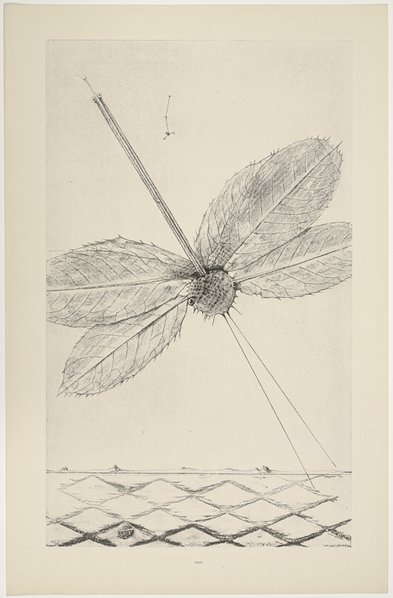
Max Ernst, Les Éclairs au-dessous de quatorze ans (Histoire Naturelle, Paris, 1926)

Dans l’histoire littéraire médiévale, le bestiaire désigne généralement une œuvre qui décrit les caractéristiques réelles ou imaginaires de différents animaux, dans le but de transmettre des enseignements moraux et religieux (Zambon, 2018 ; Pastoureau, 2024). Loin d’être confiné au Moyen Âge ou d’être progressivement remplacé par les savoirs naturalistes modernes, le bestiaire connaît au cours des siècles des transformations et des réappropriations continues. Chaque époque semble en effet élaborer ses propres bestiaires, non seulement dans la dimension narrative et poétique, comme « forme littéraire centrée sur les animaux » (Biagini 2001, 13), mais aussi dans une acception plus large de recueil d’animaux qui comprend la peinture, la sculpture, le cinéma et, plus généralement, les arts.

Le numéro de CoSMo Bestiaires modernistes et avant-gardistes entend étudier les formes de survivance, de transformation et de réappropriation du bestiaire médiéval dans la littérature et les arts européens du XXe siècle, avec une attention particulière portée aux avant-gardes et aux modernismes. L’objectif est d’interroger la persistance du modèle du bestiaire médiéval au-delà de sa forme traditionnelle : quelles structures, quels principes, quelles pratiques et quels imaginaires médiévaux sont repris, déformés, fragmentés ou subvertis par les écrivains et les artistes du XXe siècle ? Le bestiaire moderne ne constitue en effet ni une simple reprise du modèle médiéval, ni une version sécularisée de celui-ci. Il semble plutôt réactiver un modèle de connaissance et d’organisation de la réalité, un dispositif cosmologique et mental fondé sur la relation entre formes de vie, analogies, classifications et correspondances (Zambon, 2018 ; Deschamps, Roy, 1974). Dans les œuvres des avant-gardes et des modernismes, ce dispositif est toutefois soumis à une transformation radicale (Frémond, 2025 ; Mathews, Kay, 2020). La structure organique, classificatoire et didactique du traité médiéval laisse place à des formes dispersées, hybrides, polymorphes et souvent inclassables. Le bestiaire traverse la poésie et le récit, mais aussi les manifestes, les revues, les écritures collectives, les livres d’artiste, la peinture, la sculpture et le cinéma. À quelques exceptions près, le terme même de « bestiaire » n’apparaît pas nécessairement dans les œuvres. Ce qui survit, ce sont plutôt des traces, des structures, des procédés et des images, qui sont resémantisés à l’intérieur de nouveaux régimes esthétiques, épistémologiques et politiques. Le lexique médiéval peut ainsi laisser place à des notions telles que microcosme, ménagerie, vivarium ou cirque, indiquant non pas tant la disparition du bestiaire que sa profonde reconfiguration.

L’émergence du bestiaire moderne s’inscrit dans le contexte des profondes transformations historiques et culturelles qui caractérisent le « court XXe siècle » (Hobsbawm, 1994) : la montée des fascismes européens, les deux guerres mondiales, les tensions sociales et politiques, la transformation des langages et l’émergence des avant-gardes littéraires et artistiques (Asor Rosa, 2004). Dans ce contexte, le bestiaire est bouleversé, diversifié et réinventé. Les œuvres sont peuplées d’animaux réels et imaginaires, d’êtres hybrides, de créatures tératomorphes et de formes de vie difficilement classifiables. Se constituent ainsi des bestiaires d’auteur et des bestiaires collectifs, liés tant aux imaginaires individuels qu’aux poétiques partagées des mouvements artistiques et littéraires. Le numéro propose de considérer le bestiaire non comme une simple compilation de figures animales, mais comme l’une des catégories et des méthodes littéraires et artistiques expérimentales à travers lesquelles les avant-gardes et les modernismes élaborent leurs propres réponses aux crises du XXe siècle. Le bestiaire peut être compris, dans cette perspective, comme un intercepteur de crises : un espace dans lequel convergent et sont réélaborées des tensions politiques, sociales, esthétiques, philosophiques et épistémologiques. La présence animale permet en effet de remettre en question les hiérarchies entre les espèces, la centralité de l’humain et les frontières entre l’humain et le non-humain. Le bestiaire moderne participe ainsi à la crise de l’anthropocentrisme et peut être lu en relation avec la remise en question politique des identités.

L’une des interrogations centrales du numéro concerne le rapport entre bestiaire et expérimentation formelle. La transformation de l’imaginaire animal semble en effet s’accompagner d’une transformation de la structure même de l’œuvre et du langage. L’intégration de formes de vie non humaines peut entraîner une reconfiguration de la syntaxe, du lexique, de la morphologie textuelle, dans la tentative de donner forme à ce qui excède les catégories traditionnelles du langage humain (Simon, 2021). La question du bestiaire devient donc également une question de poétique et de style : de quelle manière la présence de l’animal modifie-t-elle les formes du texte ? Peut-il exister un bestiaire non seulement représenté, mais inscrit dans la syntaxe, le rythme et la matérialité même de l’écriture ? De manière analogue, dans les arts visuels, la prolifération d’animaux et de créatures hybrides contribue à la construction de nouveaux régimes du regard (collages, livres d’artiste, etc.).

Le numéro entend en outre interroger le bestiaire dans sa dimension épistémologique. Plus qu’un simple répertoire d’animaux, il peut être considéré comme une forme d’organisation du savoir. Analogie, classification, correspondance, nomination et interprétation symbolique constituent certains des principes à travers lesquels le bestiaire médiéval organisait le rapport entre monde naturel, langage et savoir. Les avant-gardes et les modernismes peuvent avoir repris ces principes en les transformant en instruments d’expérimentation et de subversion. Une attention particulière pourra donc être accordée à la réception d’auteurs, d’artistes et de traditions médiévales mobilisés par les avant-gardes comme ressources de renouvellement esthétique et conceptuel : d’Uccello à Bosch, de Flamel à Maître Eckhart, ainsi qu’aux bibliothèques personnelles, aux matériaux de lecture, aux citations et aux pratiques de réception à travers lesquels le Moyen Âge est réinventé par la modernité.

Une attention particulière pourra également être portée aux œuvres d’écrivaines et d’artistes qui utilisent des figures humano-animales, des métamorphoses et des hybridations pour remettre en question les modèles traditionnels de la féminité. Les œuvres de Leonora Carrington, Claude Cahun, et Unica Zürn, entre autres, montrent comment l’animalité peut devenir un instrument de contestation des rôles de genre et des dispositifs de disciplinarisation du corps. La créature hybride, le corps métamorphique et l’interaction avec l’animal permettent d’imaginer des subjectivités et des corporéités alternatives, mettant en crise les catégories identitaires établies.

Les contributions pourront aborder le thème selon des perspectives littéraires, artistiques, comparatistes, historiques et interdisciplinaires. Les axes proposés ne sont pas exhaustifs.

― Survivance et resémantisation du bestiaire médiéval : persistances de la tradition médiévale latine et romane dans les avant-gardes et les modernismes ; reprise d’auteurs, de textes et d’images médiévaux.

― Le bestiaire comme stratégie expérimentale créative : bestiaire et programmes des avant-gardes ; bestiaires d’auteur et bestiaires collectifs ; bestiaire comme dispositif de provocation esthétique, politique et idéologique.

― Répertoires animaux et fonctions critiques : espèces récurrentes et répertoires faunistiques ; animaux réels et imaginaires ; métamorphose et hybridation ; crise de l’anthropocentrisme ; critique du spécisme ; animalité et classes sociales ; post-colonialisme.

― Bestiaire, genre et corporéité : bestiaires féminins ; figures humano-animales et déconstruction des rôles de genre ; animalité et nouvelles subjectivités.

― Iconographie et esthétique : iconographies animales entre Moyen Âge et modernité ; survivances et reprises médiévales dans les arts du XXe siècle ; arts décoratifs, design, mode, artisanats, collages, livres d’artistes ; cinéma, arts de la scène (music-hall, cirque…) et imaginaires animaux ; fantastique, grotesque, satire.

― Bestiaires syntaxiques et expérimentation linguistique : animalisation de l’écriture ; lexique, néologismes et nomination ; morphologie textuelle ; zoopoétique et stylistique.

― Bestiaire moderne comme modèle épistémologique : organisation du savoir ; métamorphose, migration, mimétisme et hybridation ; nouveaux régimes de la connaissance.

― Bestiaire et crise : bestiaire et fascismes ; faune de la guerre et de la catastrophe ; bête et monstre dans l’imaginaire politique au XXe siècle.


Bibliographie indicative

Adorno, T., Théorie esthétique, Paris, Klincksieck, coll. « esthétique », 2éme édition, 2001.

Agamben, G., L’aperto. L’uomo e l’animale, Torino, Bollati Boringhieri, 2002.

Angenot, M., La Parole pamphlétaire, Paris, Payot, 1982.

Aragon, L., Les Collages, Paris, Hermann, 1965.

Bailly, J.-C., L’Élargissement du poème, Paris, Christian Bourgois, 2015.

― Le versant animal, Paris, Bayard, 2007.

Baltrušaitis, J., Il Medioevo fantastico. Antichità ed esotismo nell’arte gotica, Milano, Adelphi, 1973.

Baratay, E., Biographies animales. Des vies retrouvées, Paris, Seuil, 2017.

Bartholeyns, G., Dittmar, P-O., Jolivet, V., Image et transgression au Moyen Age, Paris, PUF, 2008.

Baschet, J., L’Iconographie médiévale, Paris, Gallimard, 2008.

Benhaïm, A., Simon, A. (dir)., « Zoopoétique. Des animaux en littérature moderne de langue française », Revue des Sciences humaines, décembre 2017.

Benhaïm, A., Rentzou, E. (dir.), 1913: The year of French modernism, Manchester University Press, 2013.

Bertrand, D., Marrone, G. (dir.), La sfera umanimale. Valori, racconti, rivendicazioni, Roma, Meltemi, 2019.

Biagini, E., Nozzoli, A. (dir.), Bestiari del novecento, Milano, Bulzoni, 2001.

Bretet, C., Pozzuoli, A., Le Bestiaire des écrivains, Paris, Les Belles Lettres, 2001.

Calarco, M. Zoographies. The question of the animal from Heidegger to Derrida, New York, Columbia University Press, 2008.

Correard, N., Simon, A. (dir.), Littérature et Zoomorphie satirique (XVIe-XXIe siècles), Fabula/Les colloques, 2025, https://doi.org/10.58282/colloques.14032

Curtius E.R., Letteratura europea e Medio Evo latino, Macerata, Quodlibet, 2022.

David, W., Deformed discourse. The function of the monster in medieval thought and literature, Montréal, University Of Exeter Press, 1999.

Deguy, M., L’Envergure des comparses. Écologie et poétique, Paris, Hermann Éditeurs, 2017.

Didi-Huberman, G., Atlas ou le gai savoir inquiet. L’œil de l’histoire 3, Paris, Minuit, 2011.

Dittmar, P.-O., L’Invention de l’animal, Paris, Gallimard, 2026.

Donovan, J., Adams, C. J. (dir.), The feminist care tradition on animal ethics: a reader, New York, Columbia Up, 2007.

Foucault, M., Les Mots et les choses. Une archéologie des sciences humaines, Gallimard, 1966.

Frémond, É., Le Surréalisme au grand air, t. I Écrire la nature, Paris, Classiques Garnier, 2016.

Frémond, É., Le Surréalisme au grand air, t. II Penser la nature, Paris, Classiques Garnier, 2023

Frémond, É., (dir.) Espèces en voie d’apparition. Bestiaires imaginaires et encyclopédies fictives, Fabula/Les colloques, 2025, https://doi.org/10.58282/colloques.15178

Grossman, E., La Créativité de la crise, Paris, Minuit, 2020.

Hajek, I., Hamman, P., Chone, A. (éds.), Rethinking nature. Challenging disciplinary boundaries, London, Routledge, 2017.

Haraway, D., Primate visions: gender, race, and nature in the world of modern science, London, Routledge, 1989.

Huchet, S., Le Tableau du monde. Une théorie de l’art des années vingt, Paris, L’harmattan, 1999.

Karadimis, D. « Animaux imaginaires et êtres composites », in Descola, P., (dir.), La fabrique des images. Visions du monde et formes de la représentation, Somogy Éd. D’art/ Musée Du Quai Branly, 2010.

Kay, S., Animal skins and the reading self in medieval latin and french bestiaries, Chicago, University of Chicago Press, 2017.

Kay, S., Mathews, T. (eds.), The Modernist Bestiary. Translating Animals and the Arts through Guillaume Apollinaire, Raoul Dufy and Graham Sutherland, London, UCL Press, 2020.

Klingender, F. D., Animals in art and thought to the end of the Middle Ages, Cambridge, Mit Press, 1971.

Maciel, M.-E. O animal escrito: Um olhar sobre a zooliteratura contemporânea, São Paulo, Lumme Editor, 2008.

Maillard-Chary, C. « Le sentiment de la nature chez les surréalistes », L’Homme et la Société, n°91-92, 1989.

Marchal, H., (dir.), Muses et Ptérodactyles. La poésie de la science de Chénier à Rimbaud, Paris, Seuil, 2013.

Mccracken, S., A. Goody, A. (Eds.), Animal in modernist literature and culture, Edinburgh University Press, 2023.

Mengozzi, C. (dir.), Outside the anthropological machine: crossing the human-animal divide and other exit strategies, London-New-York, Routledge, 2020.

Milcent-Lawson, S., « Zoographies – Traitements linguistique et stylistique du point de vue animal en régime fictionnel », in Benhaïm, A. et Simon, A. dir., Revue des Sciences humaines, « Zoopoétique », no 328, décembre 2017, p. 91-106.

Moe Aaron, M. Zoopoetics: animals and the making of poetry, Lanham, Maryland, Lexington Books, 2014.

Monnin, F. Le Collage. Art du vingtième siècle, Paris, Éditions Fleurus, 1993.

Nova, N. Persistance du merveilleux. Le petit peuple de nos machines, Premier Parallèle, 2024.

Pastoureau M., Histoire symbolique du Moyen Age occidental, Paris, Seuil, 2004.

Penot-Lacassagne, O. (dir.), « Ruptures écocritiques à l’avant-garde », Elfe XX-XXI, n°11, 2022.

Picard, N. Le Grimoire animal. La vie des bêtes dans la littérature française (1896-1939), préface d’A. Simon, Paris, Honoré Champion, à paraître en 2027.

Quintyn, O. Dispositifs/Dislocations, Paris, Al Dante/Questions Théoriques, 2007.

Rentzou, E. « The Minotaur’s Revolution: On Animals and Politics », in Mairesse A., et Simon, A. dir., L’Esprit Créateur, Vol. 51, n° 4, « Facing Animals / Face aux bêtes », 2011, p. 58-72.

Rodari, F. Le Collage : papiers collé, papiers déchirés, papier découpés, Genève, Skira, 1988.

Schapiro, M. Romanesque architectural sculpture. The Charles Eliot Norton lecture, Chicago, University Of Chicago Press, 2006.

Schoentjes, P. Ce qui a lieu. Essai d’écopoétique, Marseille, Wildproject, 2015.

Serres, M. Le Contrat naturel, Paris, François Bourin, 1990.

Simon, A. Une bête entre les lignes. Essai de zoopoétique, [2021], Paris, Gallimard, rééd. 2027.
Simon, A. (dir.), « 2014-2024, une décennie de zoopoétique. Perspectives en littérature de langue française (XXe-XXIe) », Caief, 2025.

Souriau, É. Les Différents modes d’existence, Paris, PUF, Coll. « Métaphysiques », 2014.

Spies, W. Max Ernst. Les Collages. Inventaire et contradictions, Paris, Gallimard, 1984.

Vago, D. Le Tissage du vivant. Écrire l’empathie avec la nature (Pergaud, Colette, Genevoix, Giono), préface d’A. Simon, Dijon, Éditions universitaires de Dijon, 2023.

Warburg, A. Atlas mnémosyne, avec une présentation de Roland Recht, Paris, L’écarquillé, 2019.

Zink, M. Nature et poésie au Moyen Age, Paris, Fayard, 2009.


Modernist and Avant-Garde Bestiaries

Survivals of the Latin and Romance Medieval Bestiary in European Literature and the Arts of the Twentieth Century

Edited by Benjamin Loy (Ludwig Maximilians Universität München)
Francesca Quey (University of Turin)
Anne Simon (Centre national de la recherche scientifique, École Normale Supérieure-PSL)


Call for Papers

CoSMo: Comparative Studies in Modernism (forthcoming June 2027)

Abstracts of no more than 1,500 characters, together with a brief biographical note, should be sent by 15 December 2026 to the editorial office at: centrostudiartimodernita@gmail.com. Notification of acceptance will be sent by 15 January 2027. Contributions of no more than 30,000 characters should be submitted to the editorial office by 15 April 2027. Contributions may be submitted in the following languages: French, Italian, English.

In medieval literary history, the bestiary generally refers to a work describing the real or imaginary characteristics of different animals, with the aim of conveying moral and religious teachings (Zambon, 2018; Pastoureau, 2024). Far from being confined to the Middle Ages or gradually superseded by modern natural-historical knowledge, the bestiary has undergone continuous transformations and processes of reappropriation throughout the centuries. Indeed, each period appears to develop its own bestiaries, not only in the narrative and poetic sense, as a “literary form centred on animals” (Biagini 2001, 13), but also in a broader sense, as collections or repertoires of animals encompassing painting, sculpture, cinema, and the arts more generally. The CoSMo issue Modernist and Avant-Garde Bestiaries aims to investigate the forms of survival, transformation, and reappropriation of the medieval bestiary in twentieth-century European literature and the arts, with particular attention to the avant-gardes and modernisms. Its aim is to examine the persistence of the medieval bestiary model beyond its traditional form: which medieval structures, principles, practices, and imaginaries were appropriated, distorted, fragmented, or subverted by twentieth-century writers and artists?

The modern bestiary is neither a simple revival of the medieval model nor a secularized version of it. Rather, it appears to reactivate a model for apprehending and organizing reality, a cosmological and mental apparatus founded on the relationship between forms of life, analogies, classifications, and correspondences (Zambon, 2018; Deschamps and Roy, 1974). In the works of the avant-gardes and modernisms, however, this apparatus undergoes a radical transformation (Frémond, 2025; Mathews, Kay, 2020). The organic, classificatory, and didactic structure of the medieval treatise gives way to forms that are dispersed, hybrid, polymorphous, and often resistant to classification. The bestiary traverses poetry and narrative, but also manifestos, journals, collective writing, artists’ books, painting, sculpture, and cinema. With a few exceptions, the term “bestiary” itself need not appear in the works under consideration. What survives instead are traces, structures, procedures, and images that are resemanticized within new aesthetic, epistemological, and political regimes. The medieval lexicon may thus give way to notions such as microcosm, menagerie, vivarium, or circus, indicating not so much the disappearance of the bestiary as its profound reconfiguration.

The emergence of the modern bestiary must be situated within the context of the profound historical and cultural transformations that characterize the “short twentieth century” (Hobsbawm, 1994): the rise of European fascisms, the two World Wars, social and political tensions, transformations in language, and the emergence of literary and artistic avant-gardes (Asor Rosa, 2004). Within this context, the bestiary is disrupted, diversified, and reinvented. Works become populated by real and imaginary animals, hybrid beings, teratomorphic creatures, and forms of life that are difficult to classify. Authorial and collective bestiaries thus emerge, connected both to individual imaginaries and to the shared poetics of artistic and literary movements. This special issue proposes to consider the bestiary not as a mere compilation of animal figures, but as one of the experimental literary and artistic categories and methods through which the avant-gardes and modernisms formulate their own responses to the crises of the twentieth century. The bestiary can be understood, from this perspective, as an interceptor of crises: a space in which political, social, aesthetic, philosophical and epistemological tensions converge and are reworked. The presence of animals makes it possible to challenge hierarchies among species, the centrality of the human, and the boundaries between human and non-human. The modern bestiary thus participates in the crisis of anthropocentrism and may be read in relation to the political questioning of identity.

One of the central questions of the issue concerns the relationship between bestiary and formal experimentation. The transformation of the animal imaginary indeed seems to be accompanied by a transformation of the very structure of the work and of language. The integration of non-human forms of life can entail a reconfiguration of syntax, lexicon, rhythm and textual morphology, to give form to that which exceeds the traditional categories of human language (Simon, 2021). The question of the bestiary therefore also becomes a question of poetics and style: in what way does the presence of the animal modify the forms of the text? Can there be a bestiary that is not only represented, but inscribed in the syntax, rhythm and very materiality of writing? Similarly, in the visual arts, the proliferation of animals and hybrid creatures contributes to the construction of new regimes of vision (collage, artist’s book, etc.).

The issue also aims to question the bestiary in its epistemological dimension. More than a simple repertoire of animals, it can be considered as a form of organization of knowledge. Analogy, classification, correspondence, nomination and symbolic interpretation constitute some of the principles through which the medieval bestiary organized the relationship between the natural world, language and knowledge. The avant-gardes and modernisms may have taken up these principles by transforming them into instruments of experimentation and subversion. Particular attention may therefore be paid to the reception of medieval authors, artists and traditions mobilized by the avant-gardes as resources for aesthetic and conceptual renewal: from Uccello to Bosch, from Flamel to Meister Eckhart, as well as to personal libraries, reading materials, quotations and reception practices through which the Middle Ages are reinvented by modernity.

Attention may also be paid to the works of women writers and artists who use human-animal figures, metamorphoses and hybridizations to challenge traditional models of femininity. The works of Leonora Carrington, Claude Cahun, and Unica Zürn, among others, show how animality can become an instrument for contesting gender roles and the mechanisms of disciplining the body. The hybrid creature, the metamorphic body and interaction with the animal make it possible to imagine alternative subjectivities and corporealities, putting established identity categories into crisis. The bestiary can thus be configured as an experimental laboratory in which hybridization between human and animal opens new possibilities of existence and relationship.

Contributions may approach the topic from literary, artistic, comparative, historical and interdisciplinary perspectives. The proposed axes are not exhaustive.

— Survival and Resemanticisation of the Medieval Bestiary: persistence of the medieval Latin and Romance medieval traditions in the avant-gardes and modernisms; reappropriation of medieval authors, texts and images.

— The Bestiary as an Experimental Creative Strategy: bestiaries and avant-garde programmes; authorial and collective bestiaries; the bestiary as a device for aesthetic, political, and ideological provocation.

— Animal Repertoires and Critical Functions: recurrent species and faunal repertoires; real and imaginary animals; metamorphosis and hybridisation; animality and the crisis of anthropocentrism; critiques of speciesism; animality and social class; postcolonial approaches.

— Bestiary, Gender, and Embodiment: feminist bestiaries; human-animal figures and the deconstruction of gender roles; animality and new forms of subjectivities.

— Iconography and Aesthetics: animal iconographies between the Middle Ages and modernity; medieval survivals and reappropriations in twentieth-century art; decorative arts, design, fashion, crafts, collages, artists’ books; cinema, performing arts (music hall, circus, etc.) and animal imaginaries; the fantastic, the grotesque and satire.

— Syntactic Bestiaries and Linguistic Experimentation: animalisation of writing; vocabulary, neologisms, and naming; textual morphology; zoopoetics and stylistics.

— The Modern Bestiary as an Epistemological Model: organisation of knowledge; metamorphosis, migration, mimicry, and hybridization; new regimes of knowledge.

— Bestiary and Crisis: bestiaries and fascisms; the fauna of war and catastrophe; beasts and monsters in twentieth-century political imaginaries.


Indicative Bibliography

Adorno, T., Théorie esthétique, Paris, Klincksieck, coll. « esthétique », 2éme édition, 2001.

Agamben, G., L’aperto. L’uomo e l’animale, Torino, Bollati Boringhieri, 2002.

Angenot, M., La Parole pamphlétaire, Paris, Payot, 1982.

Aragon, L., Les Collages, Paris, Hermann, 1965.

Bailly, J.-C., L’Élargissement du poème, Paris, Christian Bourgois, 2015.

― Le versant animal, Paris, Bayard, 2007.

Baltrušaitis, J., Il Medioevo fantastico. Antichità ed esotismo nell’arte gotica, Milano, Adelphi, 1973.

Baratay, E., Biographies animales. Des vies retrouvées, Paris, Seuil, 2017.

Bartholeyns, G., Dittmar, P-O., Jolivet, V., Image et transgression au Moyen Age, Paris, PUF, 2008.

Baschet, J., L’Iconographie médiévale, Paris, Gallimard, 2008.

Benhaïm, A., Simon, A. (dir)., « Zoopoétique. Des animaux en littérature moderne de langue française », Revue des Sciences humaines, décembre 2017.

Benhaïm, A., Rentzou, E. (dir.), 1913: The year of French modernism, Manchester University Press, 2013.

Bertrand, D., Marrone, G. (dir.), La sfera umanimale. Valori, racconti, rivendicazioni, Roma, Meltemi, 2019.

Biagini, E., Nozzoli, A. (dir.), Bestiari del novecento, Milano, Bulzoni, 2001.

Bretet, C., Pozzuoli, A., Le Bestiaire des écrivains, Paris, Les Belles Lettres, 2001.

Calarco, M. Zoographies. The question of the animal from Heidegger to Derrida, New York, Columbia University Press, 2008.

Correard, N., Simon, A. (dir.), Littérature et Zoomorphie satirique (XVIe-XXIe siècles), Fabula/Les colloques, 2025, https://doi.org/10.58282/colloques.14032

Curtius E.R., Letteratura europea e Medio Evo latino, Macerata, Quodlibet, 2022.

David, W., Deformed discourse. The function of the monster in medieval thought and literature, Montréal, University Of Exeter Press, 1999.

Deguy, M., L’Envergure des comparses. Écologie et poétique, Paris, Hermann Éditeurs, 2017.

Didi-Huberman, G., Atlas ou le gai savoir inquiet. L’œil de l’histoire 3, Paris, Minuit, 2011.

Dittmar, P.-O., L’Invention de l’animal, Paris, Gallimard, 2026.

Donovan, J., Adams, C. J. (dir.), The feminist care tradition on animal ethics: a reader, New York, Columbia Up, 2007.

Foucault, M., Les Mots et les choses. Une archéologie des sciences humaines, Gallimard, 1966.

Frémond, É., Le Surréalisme au grand air, t. I Écrire la nature, Paris, Classiques Garnier, 2016.

Frémond, É., Le Surréalisme au grand air, t. II Penser la nature, Paris, Classiques Garnier, 2023

Frémond, É., (dir.) Espèces en voie d’apparition. Bestiaires imaginaires et encyclopédies fictives, Fabula/Les colloques, 2025, https://doi.org/10.58282/colloques.15178

Grossman, E., La Créativité de la crise, Paris, Minuit, 2020.

Hajek, I., Hamman, P., Chone, A. (éds.), Rethinking nature. Challenging disciplinary boundaries, London, Routledge, 2017.

Haraway, D., Primate visions: gender, race, and nature in the world of modern science, London, Routledge, 1989.

Huchet, S., Le Tableau du monde. Une théorie de l’art des années vingt, Paris, L’harmattan, 1999.

Karadimis, D. « Animaux imaginaires et êtres composites », in Descola, P., (dir.), La fabrique des images. Visions du monde et formes de la représentation, Somogy Éd. D’art/ Musée Du Quai Branly, 2010.

Kay, S., Animal skins and the reading self in medieval latin and french bestiaries, Chicago, University of Chicago Press, 2017.

Kay, S., Mathews, T. (eds.), The Modernist Bestiary. Translating Animals and the Arts through Guillaume Apollinaire, Raoul Dufy and Graham Sutherland, London, UCL Press, 2020.

Klingender, F. D., Animals in art and thought to the end of the Middle Ages, Cambridge, Mit Press, 1971.

Maciel, M.-E. O animal escrito: Um olhar sobre a zooliteratura contemporânea, São Paulo, Lumme Editor, 2008.

Maillard-Chary, C. « Le sentiment de la nature chez les surréalistes », L’Homme et la Société, n°91-92, 1989.

Marchal, H., (dir.), Muses et Ptérodactyles. La poésie de la science de Chénier à Rimbaud, Paris, Seuil, 2013.

Mccracken, S., A. Goody, A. (Eds.), Animal in modernist literature and culture, Edinburgh University Press, 2023.

Mengozzi, C. (dir.), Outside the anthropological machine: crossing the human-animal divide and other exit strategies, London-New-York, Routledge, 2020.

Milcent-Lawson, S., « Zoographies – Traitements linguistique et stylistique du point de vue animal en régime fictionnel », in Benhaïm, A. et Simon, A. dir., Revue des Sciences humaines, « Zoopoétique », no 328, décembre 2017, p. 91-106.

Moe Aaron, M. Zoopoetics: animals and the making of poetry, Lanham, Maryland, Lexington Books, 2014.

Monnin, F. Le Collage. Art du vingtième siècle, Paris, Éditions Fleurus, 1993.

Nova, N. Persistance du merveilleux. Le petit peuple de nos machines, Premier Parallèle, 2024.

Pastoureau M., Histoire symbolique du Moyen Age occidental, Paris, Seuil, 2004.

Penot-Lacassagne, O. (dir.), « Ruptures écocritiques à l’avant-garde », Elfe XX-XXI, n°11, 2022.

Picard, N. Le Grimoire animal. La vie des bêtes dans la littérature française (1896-1939), préface d’A. Simon, Paris, Honoré Champion, à paraître en 2027.

Quintyn, O. Dispositifs/Dislocations, Paris, Al Dante/Questions Théoriques, 2007.

Rentzou, E. « The Minotaur’s Revolution: On Animals and Politics », in Mairesse A., et Simon, A. dir., L’Esprit Créateur, Vol. 51, n° 4, « Facing Animals / Face aux bêtes », 2011, p. 58-72.

Rodari, F. Le Collage : papiers collé, papiers déchirés, papier découpés, Genève, Skira, 1988.

Schapiro, M. Romanesque architectural sculpture. The Charles Eliot Norton lecture, Chicago, University Of Chicago Press, 2006.

Schoentjes, P. Ce qui a lieu. Essai d’écopoétique, Marseille, Wildproject, 2015.

Serres, M. Le Contrat naturel, Paris, François Bourin, 1990.

Simon, A. Une bête entre les lignes. Essai de zoopoétique, [2021], Paris, Gallimard, rééd. 2027.

Simon, A. (dir.), « 2014-2024, une décennie de zoopoétique. Perspectives en littérature de langue française (XXe-XXIe) », Caief, 2025.

Souriau, É. Les Différents modes d’existence, Paris, PUF, Coll. « Métaphysiques », 2014.

Spies, W. Max Ernst. Les Collages. Inventaire et contradictions, Paris, Gallimard, 1984.

Vago, D. Le Tissage du vivant. Écrire l’empathie avec la nature (Pergaud, Colette, Genevoix, Giono), préface d’A. Simon, Dijon, Éditions universitaires de Dijon, 2023.

Warburg, A. Atlas mnémosyne, avec une présentation de Roland Recht, Paris, L’écarquillé, 2019.

Zink, M. Nature et poésie au Moyen Age, Paris, Fayard, 2009.


Bestiari modernisti e d’avanguardia

Sopravvivenze del bestiario medievale latino e romanzo nella letteratura e nelle arti europee del XX secolo

A cura di Benjamin Loy (Ludwig Maximilians Universität München), Francesca Quey (Università di Torino), Anne Simon (Centre national de la recherche scientifique, École Normale Supérieure-PSL, Paris)


Invito a contribuire

CoSMo: Comparative Studies in Modernism (pubblicazione prevista per giugno 2027)

Gli abstract, della lunghezza massima di 1.500 caratteri, corredati da una breve nota biografica, dovranno essere inviati entro il 15 dicembre 2026 all’indirizzo della redazione: centrostudiartimodernita@gmail.com. La comunicazione relativa all’eventuale accettazione sarà inviata entro il 15 gennaio 2027. I contributi, della lunghezza massima di 30.000 caratteri, dovranno pervenire alla redazione entro il 15 aprile 2027. I contributi potranno essere presentati nelle seguenti lingue: francese, italiano, inglese.

Nella storia della letteratura medievale, il bestiario designa generalmente un’opera che descrive le caratteristiche reali o immaginarie di diversi animali, allo scopo di trasmettere insegnamenti morali e religiosi (Zambon, 2018; Pastoureau, 2024). Lungi dall’essere confinato al Medioevo o dall’essere progressivamente sostituito dai saperi naturalistici moderni, il bestiario conosce nel corso dei secoli trasformazioni e riappropriazioni continue. Ogni epoca sembra infatti elaborare i propri bestiari, non soltanto nella dimensione narrativa e poetica, come «forma letteraria incentrata sugli animali» (Biagini 2001, 13), ma anche in un’accezione più ampia di raccolta di animali che comprende la pittura, la scultura, il cinema e, più in generale, le arti.

Il numero di CoSMo Bestiari modernisti e d’avanguardia intende studiare le forme di sopravvivenza, trasformazione e riappropriazione del bestiario medievale nella letteratura e nelle arti europee del XX secolo, con particolare attenzione alle avanguardie e ai modernismi. L’obiettivo è interrogare la persistenza del modello del bestiario medievale al di là della sua forma tradizionale: quali strutture, quali principi, quali pratiche e quali immaginari medievali vengono ripresi, deformati, frammentati o sovvertiti dagli scrittori e dagli artisti del XX secolo? Il bestiario moderno non costituisce infatti né una semplice ripresa del modello medievale, né una sua versione secolarizzata. Esso sembra piuttosto riattivare un modello di conoscenza e di organizzazione della realtà, un dispositivo cosmologico e mentale fondato sulla relazione tra forme di vita, analogie, classificazioni e corrispondenze (Zambon, 2018; Deschamps, Roy, 1974). Nelle opere delle avanguardie e dei modernismi, tale dispositivo è tuttavia sottoposto a una trasformazione radicale (Frémond, 2025; Mathews, Kay, 2020). La struttura organica, classificatoria e didattica del trattato medievale lascia spazio a forme disperse, ibride, polimorfe e spesso inclassificabili. Il bestiario attraversa la poesia e la narrativa, ma anche i manifesti, le riviste, le scritture collettive, i libri d’artista, la pittura, la scultura e il cinema. Salvo alcune eccezioni, il termine stesso di «bestiario» non compare necessariamente nelle opere. Ciò che sopravvive sono piuttosto tracce, strutture, procedimenti e immagini, che vengono risemantizzati all’interno di nuovi regimi estetici, epistemologici e politici. Il lessico medievale può così lasciare spazio a nozioni quali microcosmo, ménagerie, vivarium o circo, indicando non tanto la scomparsa del bestiario quanto la sua profonda riconfigurazione.

L’emergere del bestiario moderno si inscrive nel contesto delle profonde trasformazioni storiche e culturali che caratterizzano il «breve XX secolo» (Hobsbawm, 1994): l’ascesa dei fascismi europei, le due guerre mondiali, le tensioni sociali e politiche, la trasformazione dei linguaggi e l’emergere delle avanguardie letterarie e artistiche (Asor Rosa, 2004). In questo contesto, il bestiario viene sconvolto, diversificato e reinventato. Le opere sono popolate da animali reali e immaginari, esseri ibridi, creature teratomorfe e forme di vita difficilmente classificabili. Si costituiscono così bestiari d’autore e bestiari collettivi, legati tanto agli immaginari individuali quanto alle poetiche condivise dei movimenti artistici e letterari. Il numero propone di considerare il bestiario non come una semplice compilazione di figure animali, ma come una delle categorie e dei metodi letterari e artistici sperimentali attraverso i quali le avanguardie e i modernismi elaborano le proprie risposte alle crisi del XX secolo. Il bestiario può essere inteso, in questa prospettiva, come un intercettore di crisi: uno spazio nel quale convergono e vengono rielaborate tensioni politiche, sociali, estetiche, filosofiche ed epistemologiche. La presenza animale permette infatti di mettere in discussione le gerarchie tra le specie, la centralità dell’umano e i confini tra umano e non umano. Il bestiario moderno partecipa così alla crisi dell’antropocentrismo e può essere letto in relazione alla messa in discussione politica delle identità.

Una delle questioni centrali del numero riguarda il rapporto tra bestiario e sperimentazione formale. La trasformazione dell’immaginario animale sembra infatti accompagnarsi a una trasformazione della struttura stessa dell’opera e del linguaggio. L’integrazione di forme di vita non umane può comportare una riconfigurazione della sintassi, del lessico e della morfologia testuale, nel tentativo di dare forma a ciò che eccede le categorie tradizionali del linguaggio umano (Simon, 2021). La questione del bestiario diventa dunque anche una questione di poetica e di stile: in che modo la presenza dell’animale modifica le forme del testo? Può esistere un bestiario non soltanto rappresentato, ma inscritto nella sintassi, nel ritmo e nella stessa materialità della scrittura? Analogamente, nelle arti visive, la proliferazione di animali e creature ibride contribuisce alla costruzione di nuovi regimi dello sguardo (collage, libri d’artista, ecc.).

Il numero intende inoltre interrogare il bestiario nella sua dimensione epistemologica. Più che un semplice repertorio di animali, esso può essere considerato una forma di organizzazione del sapere. Analogia, classificazione, corrispondenza, nominazione e interpretazione simbolica costituiscono alcuni dei principi attraverso i quali il bestiario medievale organizzava il rapporto tra mondo naturale, linguaggio e sapere. Le avanguardie e i modernismi possono aver ripreso tali principi trasformandoli in strumenti di sperimentazione e sovversione. Particolare attenzione potrà pertanto essere dedicata alla ricezione di autori, artisti e tradizioni medievali mobilitati dalle avanguardie come risorse di rinnovamento estetico e concettuale: da Uccello a Bosch, da Flamel a Meister Eckhart, nonché alle biblioteche personali, ai materiali di lettura, alle citazioni e alle pratiche di ricezione attraverso le quali il Medioevo viene reinventato dalla modernità.

Particolare attenzione potrà inoltre essere rivolta alle opere di scrittrici e artiste che utilizzano figure umano-animali, metamorfosi e ibridazioni per mettere in discussione i modelli tradizionali della femminilità. Le opere di Leonora Carrington, Claude Cahun e Unica Zürn, tra le altre, mostrano come l’animalità possa diventare uno strumento di contestazione dei ruoli di genere e dei dispositivi di disciplinamento del corpo. La creatura ibrida, il corpo metamorfico e l’interazione con l’animale permettono di immaginare soggettività e corporeità alternative, mettendo in crisi le categorie identitarie consolidate.

I contributi potranno affrontare il tema secondo prospettive letterarie, artistiche, comparatistiche, storiche e interdisciplinari. Gli assi proposti non sono esaustivi.

— Sopravvivenza e risemantizzazione del bestiario medievale: persistenze della tradizione medievale latina e romanza nelle avanguardie e nei modernismi; ripresa di autori, testi e immagini medievali.

— Il bestiario come strategia sperimentale creativa: bestiario e programmi delle avanguardie; bestiari d’autore e bestiari collettivi; il bestiario come dispositivo di provocazione estetica, politica e ideologica.

— Repertori animali e funzioni critiche: specie ricorrenti e repertori faunistici; animali reali e immaginari; metamorfosi e ibridazione; crisi dell’antropocentrismo; critica dello specismo; animalità e classi sociali; postcolonialismo.

— Bestiario, genere e corporeità: bestiari femminili; figure umano-animali e decostruzione dei ruoli di genere; animalità e nuove soggettività.

— Iconografia ed estetica: iconografie animali tra Medioevo e modernità; sopravvivenze e riprese medievali nelle arti del XX secolo; arti decorative, design, moda, artigianato, collage, libri d’artista; cinema, arti sceniche (music-hall, circo…) e immaginari animali; fantastico, grottesco, satira.

— Bestiari sintattici e sperimentazione linguistica: animalizzazione della scrittura; lessico, neologismi e nominazione; morfologia testuale; zoopoetica e stilistica.

— Il bestiario moderno come modello epistemologico: organizzazione del sapere; metamorfosi, migrazione, mimetismo e ibridazione; nuovi regimi della conoscenza.

— Bestiario e crisi: bestiario e fascismi; fauna della guerra e della catastrofe; bestia e mostro nell’immaginario politico del XX secolo.


Bibliografia indicativa

Adorno, T., Théorie esthétique, Paris, Klincksieck, coll. « esthétique », 2éme édition, 2001.

Agamben, G., L’aperto. L’uomo e l’animale, Torino, Bollati Boringhieri, 2002.

Angenot, M., La Parole pamphlétaire, Paris, Payot, 1982.

Aragon, L., Les Collages, Paris, Hermann, 1965.

Bailly, J.-C., L’Élargissement du poème, Paris, Christian Bourgois, 2015.

― Le versant animal, Paris, Bayard, 2007.

Baltrušaitis, J., Il Medioevo fantastico. Antichità ed esotismo nell’arte gotica, Milano, Adelphi, 1973.

Baratay, E., Biographies animales. Des vies retrouvées, Paris, Seuil, 2017.

Bartholeyns, G., Dittmar, P-O., Jolivet, V., Image et transgression au Moyen Age, Paris, PUF, 2008.

Baschet, J., L’Iconographie médiévale, Paris, Gallimard, 2008.

Benhaïm, A., Simon, A. (dir)., « Zoopoétique. Des animaux en littérature moderne de langue française », Revue des Sciences humaines, décembre 2017.

Benhaïm, A., Rentzou, E. (dir.), 1913: The year of French modernism, Manchester University Press, 2013.

Bertrand, D., Marrone, G. (dir.), La sfera umanimale. Valori, racconti, rivendicazioni, Roma, Meltemi, 2019.

Biagini, E., Nozzoli, A. (dir.), Bestiari del novecento, Milano, Bulzoni, 2001.

Bretet, C., Pozzuoli, A., Le Bestiaire des écrivains, Paris, Les Belles Lettres, 2001.

Calarco, M. Zoographies. The question of the animal from Heidegger to Derrida, New York, Columbia University Press, 2008.

Correard, N., Simon, A. (dir.), Littérature et Zoomorphie satirique (XVIe-XXIe siècles), Fabula/Les colloques, 2025, https://doi.org/10.58282/colloques.14032

Curtius E.R., Letteratura europea e Medio Evo latino, Macerata, Quodlibet, 2022.

David, W., Deformed discourse. The function of the monster in medieval thought and literature, Montréal, University Of Exeter Press, 1999.

Deguy, M., L’Envergure des comparses. Écologie et poétique, Paris, Hermann Éditeurs, 2017.

Didi-Huberman, G., Atlas ou le gai savoir inquiet. L’œil de l’histoire 3, Paris, Minuit, 2011.

Dittmar, P.-O., L’Invention de l’animal, Paris, Gallimard, 2026.

Donovan, J., Adams, C. J. (dir.), The feminist care tradition on animal ethics: a reader, New York, Columbia Up, 2007.

Foucault, M., Les Mots et les choses. Une archéologie des sciences humaines, Gallimard, 1966.

Frémond, É., Le Surréalisme au grand air, t. I Écrire la nature, Paris, Classiques Garnier, 2016.

Frémond, É., Le Surréalisme au grand air, t. II Penser la nature, Paris, Classiques Garnier, 2023

Frémond, É., (dir.) Espèces en voie d’apparition. Bestiaires imaginaires et encyclopédies fictives, Fabula/Les colloques, 2025, https://doi.org/10.58282/colloques.15178

Grossman, E., La Créativité de la crise, Paris, Minuit, 2020.

Hajek, I., Hamman, P., Chone, A. (éds.), Rethinking nature. Challenging disciplinary boundaries, London, Routledge, 2017.

Haraway, D., Primate visions: gender, race, and nature in the world of modern science, London, Routledge, 1989.

Huchet, S., Le Tableau du monde. Une théorie de l’art des années vingt, Paris, L’Harmattan, 1999.

Karadimis, D. « Animaux imaginaires et êtres composites », in Descola, P., (dir.), La fabrique des images. Visions du monde et formes de la représentation, Somogy Éd. D’art/ Musée Du Quai Branly, 2010.

Kay, S., Animal skins and the reading self in medieval latin and french bestiaries, Chicago, University of Chicago Press, 2017.

Kay, S., Mathews, T. (eds.), The Modernist Bestiary. Translating Animals and the Arts through Guillaume Apollinaire, Raoul Dufy and Graham Sutherland, London, UCL Press, 2020.

Klingender, F. D., Animals in art and thought to the end of the Middle Ages, Cambridge, Mit Press, 1971.

Maciel, M.-E. O animal escrito: Um olhar sobre a zooliteratura contemporânea, São Paulo, Lumme Editor, 2008.

Maillard-Chary, C. « Le sentiment de la nature chez les surréalistes », L’Homme et la Société, n°91-92, 1989.

Marchal, H., (dir.), Muses et Ptérodactyles. La poésie de la science de Chénier à Rimbaud, Paris, Seuil, 2013.

Mccracken, S., A. Goody, A. (Eds.), Animal in modernist literature and culture, Edinburgh University Press, 2023.

Mengozzi, C. (dir.), Outside the anthropological machine: crossing the human-animal divide and other exit strategies, London-New-York, Routledge, 2020.

Milcent-Lawson, S., « Zoographies – Traitements linguistique et stylistique du point de vue animal en régime fictionnel », in Benhaïm, A. et Simon, A. dir., Revue des Sciences humaines, « Zoopoétique », no 328, décembre 2017, p. 91-106.

Moe Aaron, M. Zoopoetics: animals and the making of poetry, Lanham, Maryland, Lexington Books, 2014.

Monnin, F. Le Collage. Art du vingtième siècle, Paris, Éditions Fleurus, 1993.

Nova, N. Persistance du merveilleux. Le petit peuple de nos machines, Premier Parallèle, 2024.

Pastoureau M., Histoire symbolique du Moyen Age occidental, Paris, Seuil, 2004.

Penot-Lacassagne, O. (dir.), « Ruptures écocritiques à l’avant-garde », Elfe XX-XXI, n°11, 2022.

Picard, N. Le Grimoire animal. La vie des bêtes dans la littérature française (1896-1939), préface d’A. Simon, Paris, Honoré Champion, à paraître en 2027.

Quintyn, O. Dispositifs/Dislocations, Paris, Al Dante/Questions Théoriques, 2007.

Rentzou, E. « The Minotaur’s Revolution: On Animals and Politics », in Mairesse A., et Simon, A. dir., L’Esprit Créateur, Vol. 51, n° 4, « Facing Animals / Face aux bêtes », 2011, p. 58-72.

Rodari, F. Le Collage : papiers collé, papiers déchirés, papier découpés, Genève, Skira, 1988.

Schapiro, M. Romanesque architectural sculpture. The Charles Eliot Norton lecture, Chicago, University Of Chicago Press, 2006.

Schoentjes, P. Ce qui a lieu. Essai d’écopoétique, Marseille, Wildproject, 2015.

Serres, M. Le Contrat naturel, Paris, François Bourin, 1990.

Simon, A. Une bête entre les lignes. Essai de zoopoétique, [2021], Paris, Gallimard, rééd. 2027.

Simon, A. (dir.), « 2014-2024, une décennie de zoopoétique. Perspectives en littérature de langue française (XXe-XXIe) », Caief, 2025.

Souriau, É. Les Différents modes d’existence, Paris, PUF, Coll. « Métaphysiques », 2014.

Spies, W. Max Ernst. Les Collages. Inventaire et contradictions, Paris, Gallimard, 1984.

Vago, D. Le Tissage du vivant. Écrire l’empathie avec la nature (Pergaud, Colette, Genevoix, Giono), préface d’A. Simon, Dijon, Éditions universitaires de Dijon, 2023.

Warburg, A. Atlas mnémosyne, avec une présentation de Roland Recht, Paris, L’écarquillé, 2019.

Zink, M. Nature et poésie au Moyen Age, Paris, Fayard, 2009.
CALL FOR PAPERS “Bestiaires modernistes et avant-gardistes. Survivances du bestiaire médiéval latin et roman dans la littérature et les arts européens du XXe siècle” Read More »

CALL FOR PAPERS “Rinascimento modernista. Le sopravvivenze del Rinascimento italiano nella letteratura europea tra Otto- e Novecento”

A cura di Pablo Maurette, Alessandro Metlica, Valentina Monateri

CoSMo: Comparative Studies in Modernism (uscita prevista dicembre 2026)
Invito a contribuire
Deadline: 15 settembre 2025

English version follows.

Rinascimento modernista.
Le sopravvivenze del Rinascimento italiano nella letteratura europea tra Otto e Novecento

Nella seconda metà degli anni Venti del Novecento, via via che si definisce il cantiere del Mnemosyne Atlas, Aby Warburg vara una nuova ermeneutica per la storia della cultura (Centanni 2022, Freedberg e Wedepohl 2024). Priva del carattere lineare che gli aveva assegnato il positivismo, né uniforme né omogenea, perché segnata invece da un moto franto, ondivago e intermittente, la memoria collettiva si rivela soggetta a sbalzi di tensione: le sue latenze e i suoi picchi emozionali vanno interrogati, perciò, con dispositivi oscillatori simili al pendolo (Didi-Huberman 2002).

Questa ermeneutica ha il suo baricentro nel Rinascimento italiano, oggetto privilegiato degli studi di Warburg. Si tratta, tuttavia, di un Rinascimento affatto inedito, sghembo e fantasmatico (Centanni 2017), che si dimostra capace, in quanto tale, di riattivare le preconiazioni dell’arte greco-romana e di risignificare il contemporaneo, dal Déjeuner sur l’herbe di Manet alla fotografia di una campagnola di Settignano: un Rinascimento anacronico (Didi-Huberman 2000, Nagel e Wood 2024) che rompe in maniera netta con i modelli della saggistica precedente e coeva, dal raffinato soggettivismo di Walter Pater, improntato al culto della percezione e del temperamento, al gusto estetizzante di Bernard Berenson. Warburg guarda invece alla Civiltà del Rinascimento in Italia di Jacob Burckhardt (Ghelardi 2023), di cui già Friedrich Nietzsche aveva offerto una versione esacerbata, per così dire a tinte forti (Farulli 1998, Milella 2000): “sismografi sensibilissimi” dei movimenti tettonici della cultura europea (Warburg 1927), Burckhardt e Nietzsche ispirano una nuova concezione del Rinascimento italiano, che però soltanto nelle tavole dell’Atlante – dove date e luoghi sono apertamente sovvertiti, così da tracciare itinerari di conoscenza insospettati – si scopre risolutamente moderna.

Questa sezione “Focus” di CoSMo: Comparative Studies in Modernism si chiede se il Rinascimento scoperto da Warburg, oltre che moderno, possa dirsi modernista. L’obiettivo è infatti indagare le ripercussioni, le reinterpretazioni e più in generale i punti di contatto della temperie-Mnemosyne con il modernismo letterario europeo. Posto che, tra gli anni Venti e Trenta del Novecento, l’Atlante non cade subito nella dimenticanza, come erroneamente si è creduto a lungo, e che viceversa, sia pure sul breve periodo, il progetto si presenta come un’opera compatta, coerente e prossima alla stampa (Zanon 2024), non si tratterà di circoscrivere le influenze e i debiti puntuali tra Mnemosyne e gli scrittori modernisti. In linea, piuttosto, con quanto è stato fatto per Shakespeare e la letteratura inglese early modern (Matthews 2013, Goldberg 2022), ci si propone una prima mappatura delle citazioni che, nel romanzo, nella novella e nel teatro modernisti, rimandano al Rinascimento italiano, con lo scopo di analizzare le formule di questa rievocazione e di verificare se, sul piano figurale e stilistico, la pagina letteraria assuma i tratti anacronici e fantasmatici teorizzati dall’Atlante.

Un catalogo degli autori coinvolti, lungi dall’essere esaustivo, include Gabriele D’Annunzio, Le vergini delle rocce, Il fuoco, Forse che sì forse che no; Heinrich Mann, la novella Das Wunderbare, Die Göttinnen, Pippo Spano; Thomas Mann, Glaudius Dei, Fiorenza; Hugo von Hofmannsthal, Ein Brief, Der Tod des Tizian; Der Turm; Virginia Woolf, Orlando; Henry James, Portrait of a Lady, The Aspern Papers; Ezra Pound, The Cantos; Paul Valéry, Introduction à la méthode de Léonard de Vinci; Marcel Proust, À la recherche du temps perdu.

Il “Focus” verrà analizzato lungo quattro principali linee di ricerca:

  1. Analizzando le rappresentazioni letterarie del Quattro e del Cinquecento italiano, che si infittiscono nella letteratura europea sin dagli ultimi anni dell’Ottocento, a valle della predilezione romantica per il gotico e per il Medioevo, questo “Focus” di CoSMo intende esaminare in prospettiva warburghiana fenomeni retorici e diegetici come la rifunzionalizzazione dell’ornamento (Vandi 2017), la dialettica tra stasi e movimento, le nuove tecniche di montaggio narrativo (Michaud 1998) e la scomposizione della linearità temporale.
  • La simultaneità polifocale del romanzo modernista, tesa a rimpiazzare la direzionalità orientata del discorso, si muove di concerto con il modello stratificato ma aperto, costituzionalmente in divenire, delle tavole dell’Atlante? La diffusione di temi e personaggi tratti dal Rinascimento italiano ha un ruolo in questo fenomeno, ne marca alcuni snodi significativi o, al contrario, si ispira al paradigma raffinatissimo, ma più rassicurante e tradizionale, di Pater o di Berenson? Quanto è influente al di fuori del contesto tedesco la “critica” del Rinascimento mossa da Thomas Mann in Betrachtungen eines Unpolitischen (1918), e già parzialmente presentata nel dramma Fiorenza (1905)?
  • In prospettiva inter artes (Ritter Santini 1986), il fatto che il fine secolo e il modernismo riscoprano la storia come modello ne determina anche le possibilità di trasgressione e adattamento. Alle forme di esotismo nello spazio, tipiche del tournant de siècle, si accompagnino infatti forme di esotismo nel tempo (Ritter Santini 1994) che sembrano prediligere – specialmente nel contesto tedesco, ma non solo – il Rinascimento italiano inteso come culla della “civiltà” politica, sociale e artistica. In questi termini, la diffusione del fenomeno del Renaissancismus in Europa non corrisponde soltanto a una «deformazione letteraria della storia», ma anche a una «riscoperta del grande stile» e, di conseguenza, dello stile italiano (L. Ritter Santini, 1986: 61).
  • In determinati casi, le letterature moderniste sembrano procedere alla maniera dell’arte rinascimentale italiana, esaltando forme di corrispondenza che trovano un esito felice soprattutto nel dialogo interartistico. Il “Focus” di questo numero di CoSMo tenta allora di ampliare l’orizzonte di studi rispetto alla ripresa novecentesca del Barocco. Al di là dell’enorme risonanza critica generata dallo studio di Walter Benjamin sul Trauerspiel, questo numero tenta di delineare il volto rinascimentale dei modernismi euroamericani. Le letterature moderniste diluiscono i confini storici, costruendo una narrativa del rapporto Riforma/Controriforma spesso letta sotto l’egida dell’arte di Dürer e Michelangelo. Figure centrali della storia della prima modernità europea riemergono in forme a volte “ossessive”—basti pensare al Giordano Bruno di Joyce, Mann e, infine, dello stesso Warburg che nel 1928 invita Leonardo Olschki a tenere una lezione ad Amburgo sul filosofo di Nola.

Possibili temi di ricerca:

Di modernismo, in questa sede, si dà un’accezione ampia in senso sia geografico che cronologico (Lewis 2011). Il corpus preso in esame comprende tutte le lingue e le letterature euroamericane, e spazia dagli ultimi anni dell’Ottocento alla Seconda Guerra Mondiale comprendendo figure non canoniche ed eccentriche. Tra gli altri, possibili spunti tematici sono: la supposta nascita del genio “moderno”, tormentato e universale, a partire da figure archetipiche come Leonardo e Michelangelo (Bredekamp 2021); la natura passionale e anzi la famigerata vitalità dionisiaca del Meridione; l’ostentato preziosismo di certa industria culturale, che nei tessuti, nei gioielli e nei pezzi di mobilio, oltre che nelle copie-feticcio dei dipinti dei maestri quattro e cinquecenteschi, pretende di ispirarsi all’Italia delle Signorie.

Bibliografia

  • Lorella Bosco e Helmut Koopmann, Thomas Mann e l’Italia in una nuova prospettiva, in «Belfagor», 60-4, 2005, pp. 373-392
  • Horst Bredekamp, Michelangelo, Berlino, Wagenbach, 2021
  • Jacob Burckhardt, Il Rinascimento italiano. Civiltà e arte [1860], Torino, Einaudi, 2023
  • Monica Centanni, Fantasmi dell’antico. La tradizione classica nel Rinascimento, Rimini, Guaraldi, 2017
  • Monica Centanni, Warbug and Living Thought, Vicenza, Ronzani, 2022
  • Fabio Della Schiava, D’Annunzio e il Rinascimento, «Aevum», 92-3, 2018, pp. 603-624
  • Luca Farulli, Burckhardt e Nietzsche, Firenze, Polistampa, 1998
  • Georges Didi-Huberman, Devant le Temps. Histoire de l’art et anachronisme des images, Parigi, Les Editions de Minuit, 2000.
  • Georges Didi-Huberman, L’Image survivante. Histoire de l’art et temps des fantômes selon Aby Warburg, Parigi, Les Editions de Minuit, 2002.
  • David Freedberg e Caudia Wedepohl (a cura di), Aby Warburg: Work, Legacy, Promise, Berlino, De Gruyter, 2024
  • Elisabeth Galvan (a cura di), Heinrich e Thomas Mann. Un confronto con il romanzo moderno, Istituto Italiano di Studi Germanici, 2012
  • Maurizio Ghelardi, La modernità di un antimoderno, in Dürer, Rembrandt, Manet. Warburg Manebit!, «La Rivista di Engramma», 206, 2023, pp. 275-288 
  • Jonathan Goldberg, Being of Two Minds: Modernist Literary Criticism and Early Modern Texts, Fordham University Press, 2022
  • Pericles Lewis (a cura di), The Cambridge Companion to European Modernism, Cambridge University Press, 2011
  • Steven Matthews, T.S. Eliot and Early Modern Literature, Oxford University Press, 2013
  • Philippe-Alain Michaud, Aby Warburg et l’image en mouvement, Macula, 1998
  • Alexander Nagel e Christopher S. Wood, Anachronic Renaissance, New York, Zone Books, 2010
  • Francesca Puccini, La “virtù” dell’uomo del Rinascimento. Nietzsche e Gebhart, in La trama del testo. Su alcune letture di Nietzsche, Lecce, Milella, 2000
  • Lea Ritter Santini, Le immagini incrociate, Il Mulino, Bologna, 1986
  • Lea Ritter Santini, Ritratti con le parole, Il Mulino, Bologna 1994
  • Martin A. Ruehl, The Italian Renaissance in the German Historical Imagination, 1860-1930, Cambridge, Cambridge University Press, 2015
  • Leon Surette, Demetres P. Tryphonopoulos (a cura di), Literary Modernism and the Occult Tradition, Orono, University of Maine, 1996
  • Loretta Vandi (a cura di), Ornament and European Modernism: From Art Practice to Art History, Routledge, 2017
  • Frances Yates, Giordano Bruno and the Hermetic Tradition, Chicago-London, University of Chicago press, 1964
  • Frances Yates, Astrea: the Imperial Theme of the Sixteenth Sentury, London-Boston, Routledge & Kegan, 1975
  • Giulia Zanon, “Portiamo il peso di un’eredità ambigua”. Una storia dell’Atlante Mnemosyne di Aby Warburg 1924-1945, tesi di dottorato, a.a. 2024-2025, IUAV, Venezia.
  • Aby Warburg, Burckhardt e Nietzsche [1927], in M. Ghelardi, Jacob Burckhardt, Friedrich W. Nietzsche, Carteggio, Torino, Aragno, 2002.

Call for papers

Le proposte di intervento, un abstract di max. 1500 battute e una breve nota biografica, dovranno pervenire a centrostudiartimodernita@gmail.com entro il 15 settembre 2025. L’accettazione o meno della proposta verrà comunicata entro il 30 settembre 2025. Il termine per la consegna del contributo, di max. 30.000 battute, è il 30 marzo 2026.


CoSMo: Comparative Studies in Modernism (expected release: December 2026)

Call for papers

Modernist Renaissance.
Italian Renaissance Afterlife in Nineteenth and Twentieth Century Euro-American Literatures

Edited by Pablo Maurette, Alessandro Metlica, Valentina Monateri

In the first half of the Twentieth century, as the Atlas Mnemosyne project was on its way, Aby Warburg pioneered a new hermeneutics for cultural history (Centanni 2022, Freedberg and Wedepohl 2024). Lacking the linear perspective Positivism had assigned to it, neither uniform nor homogeneous, Warburg’s sense of Collective Memory is fractured, waving, constantly shifting, and marked by sudden, abrupt tensions. This is the reason why its emotional peaks and its latencies must be interrogated with oscillatory instruments like the pendulum (Didi-Huberman 2002).

This Warburgian hermeneutics had its center of gravity in the Italian Renaissance, the favoured subject of Warburg’s research. Though not at all entirely new, Warburg’s Renaissance is oblique, phantasmagorical, and proves capable, as such, of reactivating the figurative anticipations of Greco-Roman art, as well as re-signifying the contemporary, from Manet’s Déjeuner sur l’herbe to the photograph of a Settignano countrywoman. It is an anachronic Renaissance (Didi-Huberman 2000, Nagel and Wood 2024) that breaks with its 19th century models, from Walter Pater’s refined subjectivism, marked by the cult of perception and temperament, to Bernard Berenson’s aesthetic taste.

On the contrary, alternatively, Warburg was deeply impressed by Jacob Burckhardt’s The Civilization of the Renaissance in Italy (Ghelardi 2023), of which Friederich Nietzsche had already offered an intensified reading—a “hard” one, so to speak (Farulli 1998, Milella 2000). As “sensitive seismographers” of the tectonic movements of European culture (Warburg 1927), Burckhardt and Nietzsche inspired new views of the Italian Renaissance, which only in the Atlas tables – where dates and places are openly subverted, as to open new routes for knowledge – is revealed as resolutely modern.

This 2025 “Focus” of CoSMo: Comparative Studies in Modernism then poses a question: can we call Warburg’s Renaissance modernist, as well as we call it modern? Indeed, the aim of this Focus is to investigate the legacies, the interpretations and the contacts between the Mnemosyne-atmosphere and the Euro-American literary modernism. That said, between the 1920s and 1930s, the Atlas did not immediately fall into oblivion, as was mistakenly believed for a long time, and also, albeit in the short term, the project presented itself as a compact, coherent work that was close to printing (Zanon 2024). Following this lead, it will not only be a matter of listing the influences and punctual debts between Mnemosyne and modernist writers, but rather, in line with what has been done with Shakespeare and early modern English literature (Matthews 2013, Goldberg 2022), this proposal points to possible, first mappings of quotations, intertexts, formulas and references that, in the modernist novel, novella and theatre, refer back to the Italian Renaissance. The aim of this analysis is to verify whether, on a figural and stylistic level, the literary page takes on the anachronistic and phantasmal traits presented in the Atlas.

Far from being exhaustive, a list of authors and works involved are Gabriele D’Annunzio’s Le vergini delle rocce, Il fuoco, Forse che sì forse che no; Heinrich Mann’s Das Wunderbare, Die Göttinnen, Pippo Spano; Thomas Mann’s Glaudius Dei, Fiorenza; Hugo von Hofmannsthal’s Ein Brief, Der Tod des Tizian; Der Turm; Virginia Woolf’s Orlando; Henry James’ Portrait of a Lady, The Aspern Papers; Ezra Pound’s The Cantos; Paul Valéry’s Introduction à la méthode de Léonard de Vinci; Marcel Proust’s À la recherche du temps perdu.

Thus, the issue will be investigated along four main cores:

1. Studying works dedicated to the representations of 15th– and 16th-century Italy, which became more and more popular in European literature since the last decades of the 19th century in contrast with the Romantic taste for Medieval and Gothic settings, this CoSMo issue will examine rhetorical and diegetic phenomena in a Warburgian perspective. Examples of which are the re-functionalisation of ornamental writing (Vandi 2017), the dialectic between stasis and movement, new techniques of narrative montage (Michaud 1998) and the breakdown of temporal linearity.

2. Does the polyfocal simultaneity of modernist novels, meant to replace the linear course of writing, go in the same direction as the layered but open-ended, in-progress model of the Atlas tables? Does the dissemination of themes and characters drawn from the Italian Renaissance play a role in this new Renaissance ‘facet’, does it mark some significant junctures or, on the contrary, is it inspired by the refined, but more reassuring, traditional paradigm of Pater or Berenson? Lastly, how influential, outside of the German context, is the ‘critique’ of the Renaissance made by Thomas Mann in Betrachtungen eines Unpolitischen (1918), and already partially discussed in Mann’s play Fiorenza (1905)?

3. From an inter artes critical perspective (Ritter Santini 1986), the fact that at the turn of the century History is rediscovered as a model for living also enables fin-de-siècle and modernist practices to experiment in transgression and adaptation. At the turn of the century, typical forms of exoticism in space are accompanied by forms of exoticism in time (Ritter Santini 1994), which seem to favour – especially, but not only, in the German context – the metaphor of the Italian Renaissance as the cradle of political, social and artistic ‘civilisation’. Seen in this perspective, the spread of the phenomenon of Renaissancismus in Europe does not only correspond to a literary deformation of history, but also to a rediscovery of Italian “grand style” (L. Ritter Santini, 1986: 61).

4. Modernist literatures seem to proceed alla maniera of Italian Renaissance art, exalting forms of correspondences that find happy solutions above all in the inter-artistic dialogue. This Cosmo issue will try to investigate possible connections between modernist forms and genres and the twentieth-century revival of Baroque. In addition to and beyond the huge critical resonance of Walter Benjamin’s study on Trauerspiel, this issue will insist on the Renaissance flair of Euro-American modernism. One can maintain that modernist literatures reduce historical boundaries, reading the relationship Reformation/Counter-Reformation in the light of Dürer and Michelangelo’s production. Central figures in the history of early European modernity re-emerge in ‘obsessive’ terms—suffice it to think of Joyce’s and Mann’s Giordano Bruno, or, finally, of Warburg himself, who in 1928 invited Leonardo Olschki to give a lecture in Hamburg on the philosopher from Nola.

Possible themes among others:

In this call we apply a broad meaning of ‘Modernism’, in both a geographical and chronological sense (Lewis 2011). The corpus examined includes all Euro-American languages and literatures, and ranges from the last years of the 19th century to the Second World War including non-canonical and excentric figures. Among others, possible themes are: the birth of the “modern” genius from archetypal figures such as Leonardo and Michelangelo (Bredekamp 2021); the “passionate” nature and the Dionysian vitality of the South; the cultural industry that from textiles, jewelry and furniture, to the fetish-copies of 15th and 16th masters and paintings, claim to be inspired by the epoch of the Italian Signorie.

References

  • Bosco, Lorella, e Helmut Koopmann. “Thomas Mann e l’Italia in una nuova prospettiva.” Belfagor 60, n. 4 (2005): 373–392.
  • Bredekamp, Horst. Michelangelo. Berlino: Wagenbach, 2021.
  • Burckhardt, Jacob. Il Rinascimento italiano. Civiltà e arte [1860]. Torino: Einaudi, 2023.
  • Centanni, Monica. Fantasmi dell’antico. La tradizione classica nel Rinascimento. Rimini: Guaraldi, 2017.
  • —. Warburg and Living Thought. Vicenza: Ronzani, 2022.
  • Della Schiava, Fabio. “D’Annunzio e il Rinascimento.” Aevum 92, n. 3 (2018): 603–624.
  • Farulli, Luca. Burckhardt e Nietzsche. Firenze: Polistampa, 1998.
  • Didi-Huberman, Georges. Devant le Temps. Histoire de l’art et anachronisme des images. Parigi: Les Éditions de Minuit, 2000.
  • —. L’Image survivante. Histoire de l’art et temps des fantômes selon Aby Warburg. Parigi: Les Éditions de Minuit, 2002.
  • Freedberg, David, e Claudia Wedepohl, a cura di. Aby Warburg: Work, Legacy, Promise. Berlino: De Gruyter, 2024.
  • Galvan, Elisabeth, a cura di. Heinrich e Thomas Mann. Un confronto con il romanzo moderno. Roma: Istituto Italiano di Studi Germanici, 2012.
  • Ghelardi, Maurizio. “La modernità di un antimoderno.” In Dürer, Rembrandt, Manet. Warburg Manebit!, La Rivista di Engramma 206 (2023): 275–288.
  • Goldberg, Jonathan. Being of Two Minds: Modernist Literary Criticism and Early Modern Texts. New York: Fordham University Press, 2022.
  • Lewis, Pericles, a cura di. The Cambridge Companion to European Modernism. Cambridge: Cambridge University Press, 2011.
  • Matthews, Steven. T.S. Eliot and Early Modern Literature. Oxford: Oxford University Press, 2013.
  • Michaud, Philippe-Alain. Aby Warburg et l’image en mouvement. Parigi: Macula, 1998.
  • Nagel, Alexander, e Christopher S. Wood. Anachronic Renaissance. New York: Zone Books, 2010.
  • Puccini, Francesca. “La ‘virtù’ dell’uomo del Rinascimento. Nietzsche e Gebhart.” In La trama del testo. Su alcune letture di Nietzsche, 93–112. Lecce: Milella, 2000.
  • Ritter Santini, Lea. Le immagini incrociate. Bologna: Il Mulino, 1986.
  • —. Ritratti con le parole. Bologna: Il Mulino, 1994.
  • Ruehl, Martin A. The Italian Renaissance in the German Historical Imagination, 1860–1930. Cambridge: Cambridge University Press, 2015.
  • Surette, Leon, e Demetres P. Tryphonopoulos, a cura di. Literary Modernism and the Occult Tradition. Orono: University of Maine, 1996.
  • Vandi, Loretta, a cura di. Ornament and European Modernism: From Art Practice to Art History. London: Routledge, 2017.
  • Yates, Frances. Giordano Bruno and the Hermetic Tradition. Chicago–London: University of Chicago Press, 1964.
  • —. Astrea: The Imperial Theme of the Sixteenth Century. London–Boston: Routledge & Kegan, 1975.
  • Zanon, Giulia. “Portiamo il peso di un’eredità ambigua. Una storia dell’Atlante Mnemosyne di Aby Warburg 1924–1945.” Tesi di dottorato, a.a. 2024–2025, IUAV, Venezia.
  • Warburg, Aby. Burckhardt e Nietzsche [1927]. In Jacob Burckhardt, Friedrich W. Nietzsche. Carteggio, a cura di Maurizio Ghelardi, 285–294. Torino: Aragno, 2002.

Call for papers

Please send abstract proposals of about 1500 characters included spaces, and a short biographical note, to centrostudiartimodernita@gmail.com by 15 September 2025. Any acceptance will be communicated by 30 September 2025. The deadline for submission of the article, of max. 30,000 characters, is 30 March 2026.

CALL FOR PAPERS “Rinascimento modernista. Le sopravvivenze del Rinascimento italiano nella letteratura europea tra Otto- e Novecento” Read More »

CALL FOR PAPERS “Neomodernismi. Declinazioni e riconfigurazioni della narrativa modernista europea: 1945-1989”

A cura di Carmen Gallo, Giulio Iacoli, Francesca Lorandini, Tiziano Toracca

CoSMo: Comparative Studies in Modernism (uscita prevista giugno 2026)
Invito a contribuire
Deadline: 15 gennaio 2025

English and French versions follow.

Neomodernismi.
Declinazioni e riconfigurazioni della narrativa modernista europea: 1945-1989

La seguente indagine muove dall’idea che il modernismo non tramonti alle soglie degli anni Trenta, Quaranta o Cinquanta del Novecento – quando si consuma una conversione neo-realista (R. Bonadei, 1991, Splendore, 2000, Rossi Sebastiano, 2023), quando esce Finnegans Wake (1939) o quando muoiono alcuni autori e autrici esemplari come Joyce o Woolf (1941), quando scoppia la Seconda guerra mondiale (Anderson, 1984; Quinones, 1985; Shiach, 2007) o quando prende avvio l’età postmoderna (Lyotard, 1979; Wilde, 1981; McHale, 1987; Hutcheon, 1989; Jameson, 1991; Ceserani, 1997) – ma sopravviva nella seconda metà del XX secolo, sebbene in forme inevitabilmente ricalibrate. In questa prospettiva – che considera il modernismo una categoria non solo storiografica, ma anche interpretativa (Calinescu, 1977; Mazzoni, 2011; Donnarumma, 2014; Cangiano, 2018) – l’obiettivo del presente ‘focus’ è duplice: da un lato, verificare quali romanzi del secondo Novecento ereditino il modernismo ripensando o rovesciando le sue marche tematico-formali e ideologiche, e tra queste il peso attribuito alla prospettiva soggettiva del racconto e all’autoriflessività formale (Bürger, 1992; Rabaté, 2001) e la presa di distanza dal realismo ottocentesco e dal naturalismo, spesso eletti a idoli polemici rispetto ai quali legittimare una nuova forma di rappresentazione del mondo (Eystensson, 1990; Bertoni, 2007; Pellini, 2016 e 2018); dall’altro lato, indagare in che modo una simile eredità, complessa e eterogenea quanto instabile e dibattuta è la stessa categoria di modernismo (Bradbury-McFarlane, 1976; Moretti, 1994; Levenson, 1999; Rabatè, 2013), faccia i conti con la trasformazione del contesto storico, politico e sociale [tra tutti le sorti dell’imperialismo, centrale per il modernismo storico come sottolineato da Jameson 1988, Said 1993, Rigby 2000] e del campo letterario europeo tra la seconda metà degli anni Quaranta e la fine degli anni Ottanta (Lewis, 2011; Somigli, 2011; Mao, 2021; Toracca 2022, Iacoli, 2023). È significativo, infatti, che nella narrativa del periodo preso in esame si facciano strada nuovi modi di intendere il rapporto tra individuo e collettività nei regimi democratici, e il rapporto con la tradizione culturale e letteraria venga sempre più declinato in relazione a fenomeni che spingono a reinterpretare lo spazio di indagine della scrittura. La decolonizzazione, le ondate migratorie, la riconfigurazione dei campi di forza all’interno di società multietniche, l’identità intesa come legame di appartenenza a un gruppo ma anche come spazio di rivendicazione e autodeterminazione, la crescente presa di parola di categorie emarginate o sottorappresentate, la frammentazione del sapere e il rapporto  con la scienza e la tecnica generano nuove forme di vita, che la narrativa tenta di definire e comprendere, anche attraverso l’integrazione di punti di vista eterogenei.

Considerando le più o meno marcate differenze tra le varie tradizioni nazionali, abbiamo preferito indicare non delle soglie di tipo letterario o culturale, ma delle date storiche, cioè il 1945 (quando finisce la Seconda guerra mondiale) e il 1989 (quando cade il muro di Berlino, cessa la guerra fredda tra URSS e Stati Uniti), che sono di sicuro significato per il contesto europeo su cui abbiamo deciso di focalizzare la nostra attenzione, nonostante le profonde influenze che provengono da contesti e tradizioni extraeuropee di cui sarà d’obbligo comunque tenere conto. A guidare questa decisione sono ragioni pratiche e di coerenza dell’indagine, ma soprattutto due dati che ci sembrano importanti. Il primo, di ordine storico, è il seguente: nel periodo compreso tra la seconda metà degli anni Quaranta e i primi anni Novanta molti paesi europei, tra cui l’Italia, avviano un processo di cooperazione postbellica e d’integrazione economica, politica e culturale che porterà alla firma del Trattato di Maastricht (1992), cioè alla creazione dell’Unione Europea. Si tratta dunque di un periodo in cui l’Europa è al centro di una serie di trasformazioni che riguardano la sua stessa identità, di un periodo in cui la globalizzazione (e dunque, pensando alla letteratura e alle arti, la planetarizzazione dei generi e delle forme: si pensi ad esempio alla nascita del global novel) convive accanto al tentativo di creare o comunque rafforzare un’identità economica, politica e culturale europea. Il secondo, di tipo più strettamente letterario, riguarda invece la quasi totale mancanza di riferimenti al modernismo o alla cultura del modernismo nelle storie letterarie europee del secondo Novecento. Mentre negli Stati Uniti esiste la categoria di Late Modernism (1930-1960) e si registra un attivo dibattito sulle persistenze del modernismo angloamericano nei decenni immediatamente successivi al tramonto del modernismo storico, rispetto alla categoria di postmodernismo e rispetto persino all’estremo contemporaneo (Miller, 1999 e 2016; Whitworth, 2007; Genter, 2010), un dibattito che beneficia anche dell’espansione – nel tempo e nello spazio – della categoria di modernismo promossa dai New Modernist Studies (Mao and Walkovitz 2008), nella storiografia europea si riscontra la quasi totale assenza di una riflessione sull’eredità della stagione modernista, sulla possibile reviviscenza dello sperimentalismo modernista, sulla sua concomitanza con quello promosso dalle nuove avanguardie, sui suoi legami con la cultura postmoderna, sull’influenza, insomma, che sulla narrativa europea del breve secondo Novecento possono aver avuto la lezione o il modello ­– in ordine sparso – di Conrad, James, Proust, Joyce, Woolf, Kafka, Faulkner, Mann, Musil, Broch, Céline, Wolfe, Svevo o Pirandello. Molti di questi scrittori rientrano, ad esempio, nel canone proposto da Milan Kundera nell’Art du roman (Kundera, 1986), che presenta le sue riflessioni da scrittore e non da teorico della letteratura, proponendo una visione sovranazionale del romanzo, inteso come un’arte che va concepita nella lunga durata, aldilà delle correnti, delle scuole e degli “ismi”.

In questa sezione ‘Focus’ di CoSMo: Comparative Studies in Modernism vorremmo interrogarci proprio sull’utilità critica e storiografica del termine modernismo, per capire se, per i decenni che prendiamo in considerazione, si possa individuare una tradizione del modernismo, o si possa parlare, ad esempio, di secondo modernismo o di nuovi modernismi. Esistono delle declinazioni specifiche del modernismo che vadano al di là di semplici tracce, casi isolati o tardi epigoni e che anzi permettano di interpretare diversamente e avvicinare utilmente fra loro romanzi solitamente interpretati in altre prospettive? Che peso hanno le traduzioni dei capolavori modernisti per gli scrittori e le scrittrici che esordiscono tra gli anni Quaranta e gli anni Ottanta? In che modo i neomodernismi interagiscono con le principali categorie utilizzate dalla critica per descrivere il campo letterario di questi anni (neorealismo, Nouveau Roman, neoavanguardia, postmodernismo) o con alcuni fenomeni che emergono in quel periodo (guerra fredda, impegno, boom economico, ’68, post-colonialismo, femminismo, ecologismo) e che modificano radicalmente l’immaginario?

Lista dei macrotemi su cui è possibile intervenire (non esclusivi)

  • Costanti e varianti del modernismo nel secondo Novecento europeo
  • Rapporti di continuità tra modernismo e nuovi temi (es. nuovo impegno, ecologismo, postcolonialismo, femminismo, globalizzazione, turbocapitalismo, antropocene)
  • Influenze extraeuropee e planetarizzazione delle forme
  • Testi esemplari di specifiche tradizioni letterarie: modelli, riprese, riconfigurazioni
  • Traiettorie autoriali influenti
  • Periodizzazione, canone, usi e abusi della categoria di modernismo
  • Cultura postmoderna, neomodernismi e nuovi realismi
  • Neomodernismo e Neoavanguardia
  • I nuovi modernismi e gli studies
  • Intertestualità e confini di genere
  • Traduzioni e traiettorie di campo

Termini

Le proposte di intervento, un abstract di max. 1500 caratteri e una breve nota biografica, dovranno pervenire a centrostudiartimodernita@gmail.com entro il 15 gennaio 2025. L’accettazione o meno della proposta verrà comunicata entro il 15 febbraio 2025. Il termine per la consegna del contributo, di max. 30.000 caratteri, è il 15 gennaio 2026.

Lingue ammesse per i contributi Italiano, Inglese, Francese


CoSMo: Comparative Studies in Modernism (expected release: June 2026)

Call for papers

Neomodernisms.
Rethinking and reshaping Modernism in European fiction: 1945-1989

Edited by Carmen Gallo, Giulio Iacoli, Francesca Lorandini, Tiziano Toracca

The starting assumption of this investigation is that modernism did not decline on the threshold of the 1930s, 1940s or 1950s, in conjuction with some crucial events such as the conversion to neo-realism (R. Bonadei, 1991, Splendore, 2000, Rossi Sebastiano, 2023), the publication of Finnegans Wake (1939), the death of Joyce and Woolf (1941), the outbreak of the Second World War (Anderson, 1984; Quinones, 1985; Shiach, 2007), or the presumptuous beginning of postmodern age (Lyotard, 1979; Wilde, 1981; McHale, 1987; Hutcheon, 1989; Jameson, 1991; Ceserani, 1997). Rather, it survived in the second half of the 20th century, albeit in inevitably recalibrated forms. Considering modernism not only as a historiographical, but also as an interpretative category (Calinescu, 1977; Mazzoni, 2011; Donnarumma, 2014; Cangiano, 2018), the aim of this ‘focus’ is twofold: on the one hand, to verify which novels of the second half of the twentieth century inherit modernism by rethinking or overturning its thematic, formal, and ideological features, and in particular its subjective perspective, the formal self-reflexivity (Bürger, 1992; Rabaté, 2001), and the distancing from nineteenth-century realism and naturalism (Eystensson, 1990; Bertoni, 2007; Pellini, 2016 and 2018); on the other hand, to investigate how the legacy of modernism, which is itself a complex and heterogeneous category (Bradbury-McFarlane, 1976; Moretti, 1994; Levenson, 1999; Rabatè, 2013), comes to terms with the transformation of the historical, political, and social context, such as the different role of imperialism [central to historical modernism as underlined by Jameson 1988, Said 1993, Rigby 2000] and the new ways of understanding the relationship between the individual and the community in democratic regimes. By the second half of the 1940s until the end of the 1980s, the European literary field also undergoes several changes (Lewis, 2011; Somigli, 2011; Mao, 2021; Toracca 2022, Iacoli, 2023) that reshape the rapport with the cultural and literary tradition and open up the way to the investigation of new spaces of writing. Narrative attempts to define and understand, through heterogeneous points of view, new issues such as decolonization, waves of migration, the reconfiguration of power dynamics within multi-ethnic societies; identity understood as a form of belonging to a group but also as a space of claim and self-determination; the growing voice of marginalized or underrepresented categories; the fragmentation of knowledge and the relationship with science and technology.

Given the more or less marked differences between the various national traditions, it was hard to find common literary or cultural thresholds, so we opted for historical dates, namely 1945 (when the Second World War ended) and 1989 (when the Berlin Wall fell and the Cold War between the USSR and the United States ended), which are significant for the European context that is our field of investigation [nonetheless profound influences from extra-European contexts and traditions will also be taken into account]. Between the second half of the 1940s and the early 1990s, many European countries, including Italy, began a process of post-war cooperation and economic, political, and cultural integration that would lead to the signing of the Maastricht Treaty (1992), that is, to the creation of the European Union. This is therefore a period in which Europe is at the centre of a series of transformations that concern its very identity, and globalisation (which includes the planetarisation of genres and forms) coexists alongside the attempt to create or at least strengthen a European economic, political and cultural identity.

A further reason to focus our literary investigation on Europe 1945-1989 is the almost total lack of references to modernism or the culture of modernism of the second half of the twentieth century in the European literary histories. While in the United States the category of Late Modernism (1930-1960) is widely debated as well as the persistence of Anglo-American modernism, the span of postmodernism (Miller, 1999 and 2016; Whitworth, 2007; Genter, 2010), and the possibility to expand the category of modernism in time and space (Mao and Walkovitz 2008), in European literary historiography some key aspects such as the legacy of the modernist season, the possible revival of modernist experimentalism, its links with new avant-gardes and postmodern culture, in short, the influence – in no particular order – of Conrad, James, Proust, Joyce, Woolf, Kafka, Faulkner, Mann, Musil, Broch, Céline, Wolfe, Svevo or Pirandello – have been usually neglected.

In this ‘Focus’ section of CoSMo: Comparative Studies in Modernism we would like to assess the critical and historiographical utility of the term modernism, to understand whether, for the decades we are considering, we can identify a tradition of modernism, or we can speak, for example, of a second modernism or of new modernism. Is it possible to outline specific declinations of modernism that go beyond simple traces, isolated cases or late epigones and that indeed allow us to interpret differently and usefully put together novels usually analysed from other perspectives? What weight do translations of modernist masterpieces have for writers who debuted between the 1940s and the 1980s? How do new modernisms interact with the main categories used by critics to describe the literary field of these years (neorealism, Nouveau Roman, neo-avant-garde, postmodernism) or with some phenomena that emerged in that period (cold war, commitment, economic boom, ’68, post-colonialism, feminism, environmentalism) and that radically modified the imagination?

Possible approaches and fields of investigation are listed below, but further explorations of the topic are encouraged.

  • Constants and variants of Modernism in European fiction [1945-1989]
  • Modernism and new ideas (e.g. new commitment, ecologism, post-colonialism, feminism, globalisation, turbo-capitalism, anthropocene)
  • Extra-European influences and the planetarisation of forms
  • Exemplary texts from specific literary traditions: models, revivals, and reconfigurations
  • Influential authorial figures
  • Periodization, canon, uses and abuses of the category of modernism
  • Postmodern culture, neo-modernisms and new realisms
  • Neo-Modernism and the New Avant-Garde
  • New Modernisms and Studies
  • Intertextuality and literary genres boundaries
  • Translation, adaptation, remediation

Deadlines

Proposals, an abstract of max. 1500 characters and a brief biographical note, should be sent to centrostudiartimodernita@gmail.com by January 15, 2025. Acceptance or non-acceptance of the proposal will be communicated by February 15, 2025. The deadline for submission of the paper, of max. 30,000 characters, is January 15, 2026.

Languages allowed for submissions

Italian, English, French


CoSMo : Comparative Studies in Modernism (sortie prévue en juin 2026)

Appel à contributions

Néo-modernismes.
Variations et reconfigurations de la fiction moderniste européenne : 1945-1989

Sous la direction de Carmen Gallo, Giulio Iacoli, Francesca Lorandini, Tiziano Toracca

Nous avançons l’hypothèse que le modernisme ne s’achève pas au seuil des années 1930, 1940 ou 1950, à savoir au moment se produisent certains événements décisifs, comme la conversion néo-réaliste (R. Bonadei, 1991 ; Splendore, 2000 ; Rossi Sebastiano, 2023), la publication de Finnegans Wake (1939), la mort de certains auteurs exemplaires comme Joyce ou Woolf (1941), l’éclatement de la Seconde Guerre mondiale (Anderson, 1984; Quinones, 1985; Shiach, 2007) ou au moment où commence ce qu’on appelle l’ère postmoderne (Lyotard, 1979; Wilde, 1981; McHale, 1987; Hutcheon, 1989; Jameson, 1991; Ceserani, 1997). Nous croyons, au contraire, qu’il survit dans la seconde moitié du XXe siècle, bien que ce soit sous des formes recomposées et remodelées.

En considérant le modernisme comme une catégorie non seulement historiographique, mais aussi interprétative (Calinescu, 1977; Mazzoni, 2011; Donnarumma, 2014; Cangiano, 2018), le but poursuivi par ce « Focus » concerne aussi bien l’histoire des formes littéraires que leurs enjeux historiques, politiques et sociaux. Nous voulons d’une part vérifier quels romans de la seconde moitié du XXe siècle héritent du modernisme en repensant ou en renversant ses marques thématiques, formelles et idéologiques, notamment le poids attribué au regard subjectif dans le récit et à l’autoréflexivité formelle (Bürger, 1992; Rabaté, 2001) ainsi que l’écart avec le réalisme et le naturalisme du XIXe siècle, souvent la cible de polémiques à travers lesquelles légitimer une nouvelle représentation du monde (Eystensson, 1990; Bertoni, 2007; Pellini, 2016 et 2018).

D’autre part, nous voulons étudier comment un tel héritage, aussi complexe et hétérogène que la catégorie de modernisme elle-même est instable et débattue (Bradbury-McFarlane, 1976; Moretti, 1994; Levenson, 1999; Rabaté, 2013), s’accommode de la transformation du contexte historique, politique et social, tout comme le sort de l’impérialisme, par exemple, a été décisif pour le modernisme historique, comme le soulignent (Jameson 1988, Said 1993, Rigby 2000). De la seconde moitié des années 1940 à la fin des années 1980, le champ littéraire européen subit également plusieurs changements (Lewis, 2011 ; Somigli, 2011; Mao, 2021; Toracca, 2022; Iacoli, 2023) qui remodèlent le rapport à la tradition culturelle et littéraire, ouvrant la voie à l’investigation de nouveaux espaces d’écriture. La narration tente de définir et de comprendre, à travers l’intégration de points de vue hétérogènes, de nouvelles questions telles que la décolonisation, les vagues de migration, la reconfiguration des dynamiques de pouvoir au sein des sociétés multiethniques ; l’identité comprise comme une forme d’appartenance à un groupe mais aussi comme un espace de revendication et d’autodétermination ; la voix croissante des catégories marginalisées ou sous-représentées ; la fragmentation de la connaissance et la relation avec la science et la technologie.

Compte tenu des différences plus ou moins marquées entre les diverses traditions nationales, il était difficile de trouver des seuils littéraires ou culturels communs. Nous avons donc opté pour des dates historiques, à savoir 1945 (fin de la Seconde Guerre mondiale) et 1989 (chute du mur de Berlin et fin de la guerre froide entre l’URSS et les États-Unis), qui sont significatives pour le contexte européen qui constitue notre champ d’investigation (néanmoins, les influences profondes des contextes et des traditions extra-européens seront également prises en compte). Entre la seconde moitié des années 1940 et le début des années 1990, de nombreux pays européens, dont l’Italie, ont entamé un processus de coopération d’après-guerre et d’intégration économique, politique et culturelle aboutissant à la signature du traité de Maastricht (1992), c’est-à-dire à la création de l’Union européenne. Il s’agit donc d’une période où, au sein l’Europe, se produisent une série de transformations qui concernent son identité même, et où la mondialisation (qui inclut la planétarisation des genres et des formes) coexiste avec la tentative de créer ou de renforcer une identité économique, politique et culturelle européenne.

Une autre raison qui nous pousse à concentrer notre enquête sur l’Europe de 1945 à 1989 est l’absence presque complète de références au modernisme ou à la culture du modernisme de la seconde moitié du XXe siècle dans les histoires littéraires européennes. Alors qu’aux États-Unis, la catégorie du Late Modernism (1930-1960) est largement débattue, de même que la persistance du modernisme anglo-américain, la portée du postmodernisme (Miller, 1999 et 2016; Whitworth, 2007; Genter, 2010), et la possibilité d’étendre la catégorie du modernisme dans le temps et l’espace (Mao et Walkovitz 2008), dans l’historiographie littéraire européenne, certains aspects clés tels que l’héritage de la saison moderniste, la renaissance possible de l’expérimentalisme moderniste, ses liens avec les nouvelles avant-gardes et la culture postmoderne, bref, l’influence – sans ordre particulier – de Conrad, James, Proust, Joyce, Woolf, Kafka, Faulkner, Mann, Musil, Broch, Céline, Wolfe, Svevo ou Pirandello – ont été généralement négligés. Nombre de ces écrivains s’inscrivent, par exemple, dans le canon proposé par Milan Kundera dans L’Art du roman (Kundera, 1986), qui présente ses réflexions en tant qu’écrivain et non en tant que théoricien de la littérature, proposant une vision supranationale du roman, compris comme un art qui doit se concevoir dans la durée, au-delà des courants, des écoles et des «ismes».

Dans cette section «Focus» de CoSMo:Comparative Studies in Modernism, nous souhaitons interroger précisément l’utilité critique et historiographique du terme modernisme, afin de comprendre si, pour les décennies qui nous intéressent, on peut identifier une tradition du modernisme, ou si l’on peut parler, par exemple, de second modernisme ou de nouveaux modernismes. Existe-t-il des déclinaisons spécifiques du modernisme qui vont au-delà de simples traces, de cas isolés ou d’imitations tardives, et qui permettent en effet d’interpréter différemment et de rapprocher utilement des romans habituellement définis sous d’autres étiquettes? Quelle est l’importance des traductions des chefs-d’œuvre modernistes pour les écrivains qui ont fait leurs débuts entre les années 1940 et 1980? Comment les néo-modernismes interagissent-ils avec les principales catégories utilisées par la critique pour décrire le champ littéraire de ces années (néo-réalisme, Nouveau Roman, néo-avant-garde, post-modernisme) ou avec certains phénomènes apparus pendant cette période (guerre froide, engagement, boom économique, Mai 68, post-colonialisme, féminisme, écologisme) et qui ont radicalement modifié notre imaginaire?

Différents axes d’étude pourront être envisagés, sans exclusive :

  • Constantes et variantes du modernisme dans le second XXe siècle européen
  • Les relations de continuité entre le modernisme et de nouveaux thèmes (par exemple le nouvel engagement, l’écologisme, le post-colonialisme, le féminisme, la mondialisation, le turbo-capitalisme, l’anthropocène).
  • Influences extra-européennes et planétarisation des formes
  • Textes exemplaires issus de traditions littéraires spécifiques : modèles, reprises, reconfigurations
  • Trajectoires d’auteurs influents
  • Périodisation, canon, usages et abus de la catégorie du modernisme
  • Culture postmoderne, néo-modernismes et nouveaux réalismes
  • Néo-modernisme et néo-avant-garde
  • Les nouveaux modernismes et les études culturelles
  • Intertextualité et frontières des genres littéraires
  • Traductions, adaptations, remédiations

Conditions

Les propositions de communications (un titre et un résumé de maximum 1500 signes), avec une courte biobibliographie, ainsi que toutes les demandes de renseignements concernant le dossier, sont à adresser à centrostudiartimodernita@gmail.com avant le 15 janvier 2025. L’acceptation ou le rejet de la proposition seront communiqués avant le 15 février 2025. La date limite de soumission de l’article, d’un maximum de 30.000 signes, est fixée au 15 janvier 2026.

Langues acceptées pour les contributions Italien, Anglais, Français


Bibliografia utilizzata a testo / References/ Corpus théorique utilisé dans l’argumentaire

  • Anderson, P., Modernity and Revolution, in «New Left Review», n. 144, 1984, pp. 96-113.
  • Armstrong, T., Modernism: A Cultural History, Polity Press, Cambridge 2005.
  • Bertoni, F., Realismo e letteratura. Una storia possibile, Einaudi, Torino 2007.
  • Bonadei, R. Prologhi ed epiloghi modernisti nella narrativa di Henry Green, in Modernismo/Modernismi. Dall’avanguardia storica agli anni Trenta e oltre, a cura di G. Cianci, Principato, Milano 1991, pp. 531-543.
  • Bradbury, M., McFarlane, J, (eds), The Name and the Nature of Modernism, in Modernism. A Guide to European Literature 1890-1930, Penguin, London 1976.
  • Bürger, P., The Decline of Modernism, Polity Press, Cambridge 1992.
  • Calinescu, M., Five Faces of Modernity. Modernism, Avant-Garde, Decadence, Kitsch, Postmodernism, Indiana University Press, Bloomington 1977.
  • Cangiano, M., La nascita del modernismo italiano. Filosofie della crisi, storia e letteratura. 1903-1922, Quodlibet, Macerata 2018.
  • Ceserani R., Raccontare il postmoderno, Bollati Boringhieri, Torino 1997.
  • Donnarumma, R., Ipermodernità. Dove va la narrativa contemporanea, il Mulino, Bologna 2014.
  • Eystensson, A., The Concept of Modernism, Cornell University Press, Ithaca-London 1990.
  • Genter, R., Late Modernism. Art, Culture and Politics in Cold War America, University of Pennsylvania Press, Philadelphia-Oxford 2010.
  • Hutcheon, L., A Poetics of Postmodernism. History, Theory, Fiction, Routledge, London-New York 1989.
  • Iacoli, G., Mascolinità in gioco. Politiche della rappresentazione in Buzzati, Serra, Pisa-Roma 2023.
  • Kundera, M., L’Art du roman, Gallimard, Paris 1986.
  • Levenson, M., (ed), The Cambridge Companion to Modernism, Cambridge University Press, Cambridge 1999.
  • Lewis, P., (ed), The Cambridge Companion to European Modernism, Cambridge University Press, Cambridge 2011.
  • Lyotard, J.-F., La Condition postmoderne, Minuit, Paris 1979.
  • Mao, D., The New Modernist Studies, Cambridge University Press, Cambridge 2021.
  • Mazzoni, G., Teoria del romanzo, Il Mulino, Bologna 2011.
  • McHale, B., Postmodernist Fiction, Routledge, London and New York 1987.
  • Miller, T., Late Modernism. Politics, Fiction, and the Arts Between the World Wars, University of California Press, Berkeley 1999.
  • Id., The Continuities of Late Modernism: before and after Beckett, in British and Irish Fiction since 1940, ed. by P. Boxall, B. Cheyette, Oxford University Press, Oxford 2016, pp. 146-160.
  • Moretti, F., Opere mondo. Saggio sulla forma epica dal Faust a cent’anni di solitudine, Einaudi, Torino 1994
  • Pellini, P., Naturalismo e modernismo. Zola, Verga e la poetica dell’insignificante, Artemide, Roma 2016.
  • Id., «Cerveaux de Fruitier», «Enculeurs de mouches»: per una genealogia del modernismo, in Alla ricerca di forme nuove. Il modernismo nelle letterature del primo ‘900, a cura di R. Luperini, Pacini, Pisa 2018, pp. 237-271.
  • Jameson F., Postmodernism, or The Cultural Logic of Late Capitalism, Duke University Press, Durham 1991.
  • Quinones, R. J., Mapping Literary Modernism, Princeton University Press, Princeton 1985.
  • Rabaté, J.M., Una lingua straniata. Gli stili del modernismo, in Il romanzo. La cultura del romanzo, vol. I, a cura di F. Moretti, Einaudi, Torino 2001, pp. 747-773.
  • Id., (ed), A Handbook of Modernism Studies, Wiley-Blackwell, Chichester 2013.
  • Rossi Sebastiano, M., Il realismo obliquo nel romanzo italiano degli anni Trenta, Palumbo, Palermo 2023.
  • Shiach, M., Reading the Modernist novel: an introduction, in The Cambridge Companion to the Modernist Novel, a cura di M. Shiach, Cambridge University Press, Cambridge 2007, pp. 1-14.
  • Somigli, L., Dagli “uomini del 1914” alla “planetarietà”. Quadri per una storia del concetto di modernismo, in Il modernismo in Italia, a cura di R. Luperini e M. Tortora, sezione monografica di «Allegoria», n. 63, 2011, pp. 7-29.
  • Splendore, P., Il secondo Novecento, in Storia della letteratura inglese, a cura di P. Bertinetti, vol. II. Dal Romanticismo all’età contemporanea. Le letterature in inglese, Einaudi, Torino, pp. 249- 320.
  • Toracca, T., Il romanzo neomodernista italiano. Dalla fine del neorealismo alla seconda metà degli anni Settanta, Palumbo, Palermo 2022.
  • Wilde, A., Horizons of Assent. Modernism, Postmodernism, and the Ironic Imagination, John Hopkins University Press, Baltimore and London 1981.
  • Whitworth, M., (ed), Modernism, Blackwell, Oxford 2007

Altra bibliografia di riferimento / Other bibliography / Autres textes théoriques

  • Benvenuti, G., Ceserani R., La letteratura nell’età globale, Il Mulino, Bologna 2012.
  • Bradshaw D, and DettmarK.J.M. (eds), A Companion to Modernist Literature and Culture, Blackwell Publishing, Oxford 2006.
  • Ceserani, R., La maledizione degli “ismi”, in «Allegoria», n. 65-66, 2012, pp. 191-213.
  • Cianci, G., (ed), Modernismo/Modernismi. Dall’avanguardia storica agli anni Trenta e oltre, Principato, Milano 1991.
  • Donnarumma, R., Gadda modernista, ETS, Pisa 2005.
  • Fokkema D.W., BertensH., (eds), Approaching Postmodernism, Benjamins, Amsterdam-Philadelphia 1986.
  • MacKay, M., Modernism and World War II, Cambridge University Press, Cambridge 2007.
  • Mao D., Walkowitz R., (eds), Bad Modernisms, Duke University Press, Durham 2006.
  • Hayot E., Walkowitz R., (eds), A New Vocabulary for Global Modernism, Columbia University Press, New York 2016.
  • Jordan, J., Late Modernism and the Avant-Garde British Novel: Oblique Strategies, Oxford University Press, Oxford 2020.
  • Kalliney P., Modernism in a Global Context, Bloomsbury, London 2016.
  • Moody A., Ross S., (eds), Global Modernists on Modernism. An Anthology, Bloomsbury, London 2020.
  • Ramalho Santos I., Sousa Ribeiro A., (eds), Translocal Modernisms: International Perspectives, Peter Lang, Bern 2008.
  • Sherry V., (ed), The Cambridge History of Modernism, Cambridge University Press, Cambridge 2016.
  • Shiach., M. (ed), The Cambridge Companion to the Modernist Novel, Cambridge University Press, Cambridge 2007.
  • Stanford Friedman S., Periodizing Modernism: Postcolonial Modernities and the Space/Time Borders of Modernist Studies, in «Modernism/Modernity», vol. 13, n. 3, 2006, pp. 425-443.
  • Ead., Planetary Modernisms: Provocations on Modernity Across Time, Columbia University Press, New York 2015.
  • Subialka M., Modernist Idealism: Ambivalent Legacies of German Philosophy in Italian Literature, University of Toronto Press, Toronto 2021. 
  • Tortora, M., Volpone A., (eds) Il romanzo modernista europeo. Autori, forme, questioni, Carocci, Roma 2019.
  • WitemeyerH., The Future of Modernism, University of Michigan Press, Ann Arbor 1997.

CALL FOR PAPERS “Neomodernismi. Declinazioni e riconfigurazioni della narrativa modernista europea: 1945-1989” Read More »

CALL FOR PAPERS “ATTRAVERSO I CONFINI: DE MARTINO E LE ARTI” | “CROSSING BORDERS: DE MARTINO AND THE ARTS”

CoSMo. Comparative Studies in Modernism
Rivista scientifica di Fascia “A” (ANVUR) del Centro Studi Arti della Modernità
http://www.ojs.unito.it/index.php/COSMO


CALL FOR PAPERS | APPEL À CONTRIBUTIONS

*

ATTRAVERSO I CONFINI: DE MARTINO E LE ARTI
CROSSING BORDERS: DE MARTINO AND THE ARTS
N. 26 – Giugno 2025

English and French versions follow. Visualizza la Call for Papers:

Le studiose e gli studiosi interessati sono invitati a far pervenire entro il 15 Giugno 2024 l’abstract in inglese della propria proposta (250 parole circa), corredato da un breve profilo bio-bibliografico, inviandolo via mail ai curatori Roberto Dainotto (dainotto@duke.edu) Francesco Lesce (francescolesce.uni@gmail.com) e Luisa Sampugnaro (luisa.sampugnaro@unito.it).

L’esito della selezione delle proposte sarà comunicato via mail entro la fine del mese di Luglio 2024. I contributi non dovranno superare i 40.000 caratteri (spazi e note inclusi), potranno essere redatti in italiano, inglese, francese, e saranno valutati in double-blind peer review. Gli articoli in versione definitiva dovranno pervenire alla rivista entro il 15 dicembre 2024.

CALL FOR PAPERS “ATTRAVERSO I CONFINI: DE MARTINO E LE ARTI” | “CROSSING BORDERS: DE MARTINO AND THE ARTS” Read More »

Torna in alto